Markus Castro
Top 10 Philippine Festivals
Table of Contents
It is undeniable that the Philippines is not only a home to unspoiled tourist destinations but also a home to a wide array of local traditions. Among these countless Philippine Festivals, here are some of the most popular, merriest, and intriguing festivals in the Philippines that you should not miss in your entire life. Read on:
#1 Pahiyas Festival
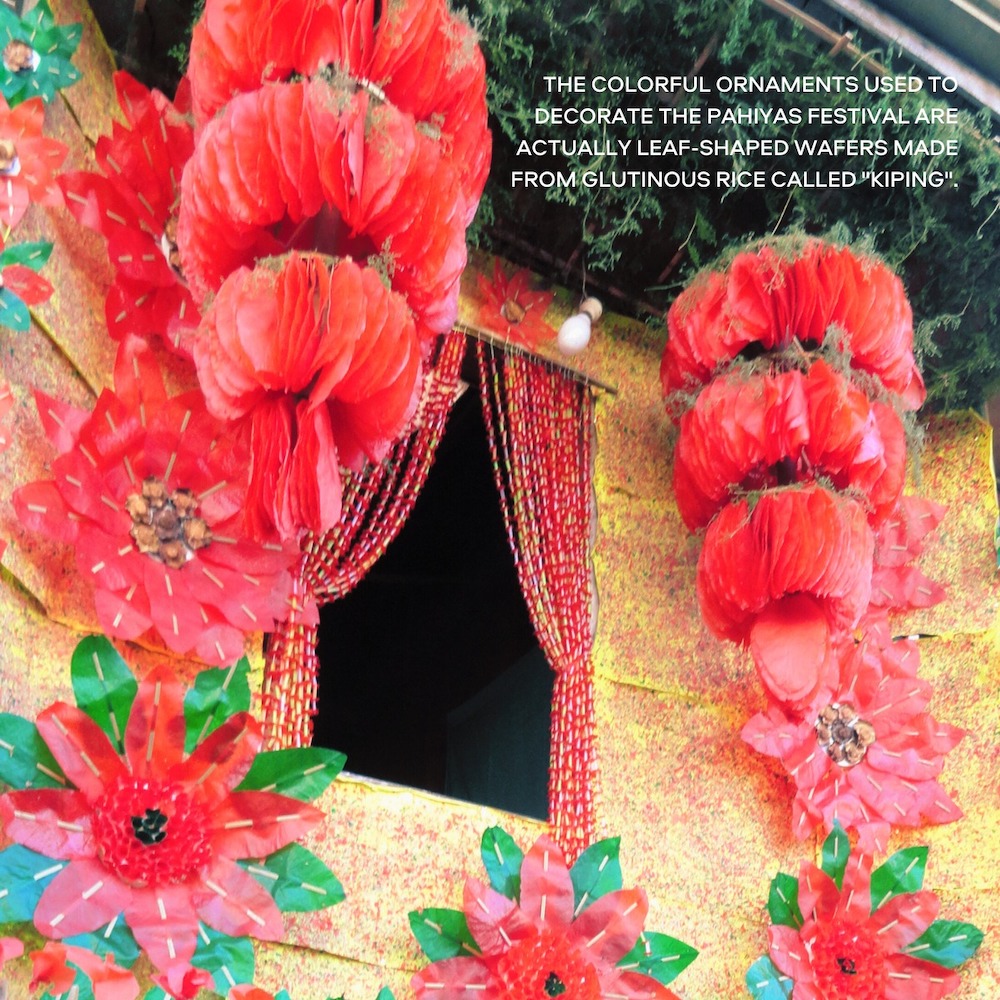
Held annually, every 15th of May in Lucban, Laguna, the Pahiyas Festival is deemed one of the most colorful festivities. During the festival, one can witness brightly colored kiping (dried rice flour) shaped like leaves. Streets are also decorated with vegetables and fruits.

#2 Obando Fertility Rites
The Obando Fertility Rites are a dance ritual and Catholic festival celebrated every May in Obando, Bulacan, Philippines. The festival honors and beseeches the patron saints of fertility, good weather, and good fortune, and offers eggs and songs to them. The festival has been celebrated since pre-Spanish times.
#3 Panag-apoy Festival
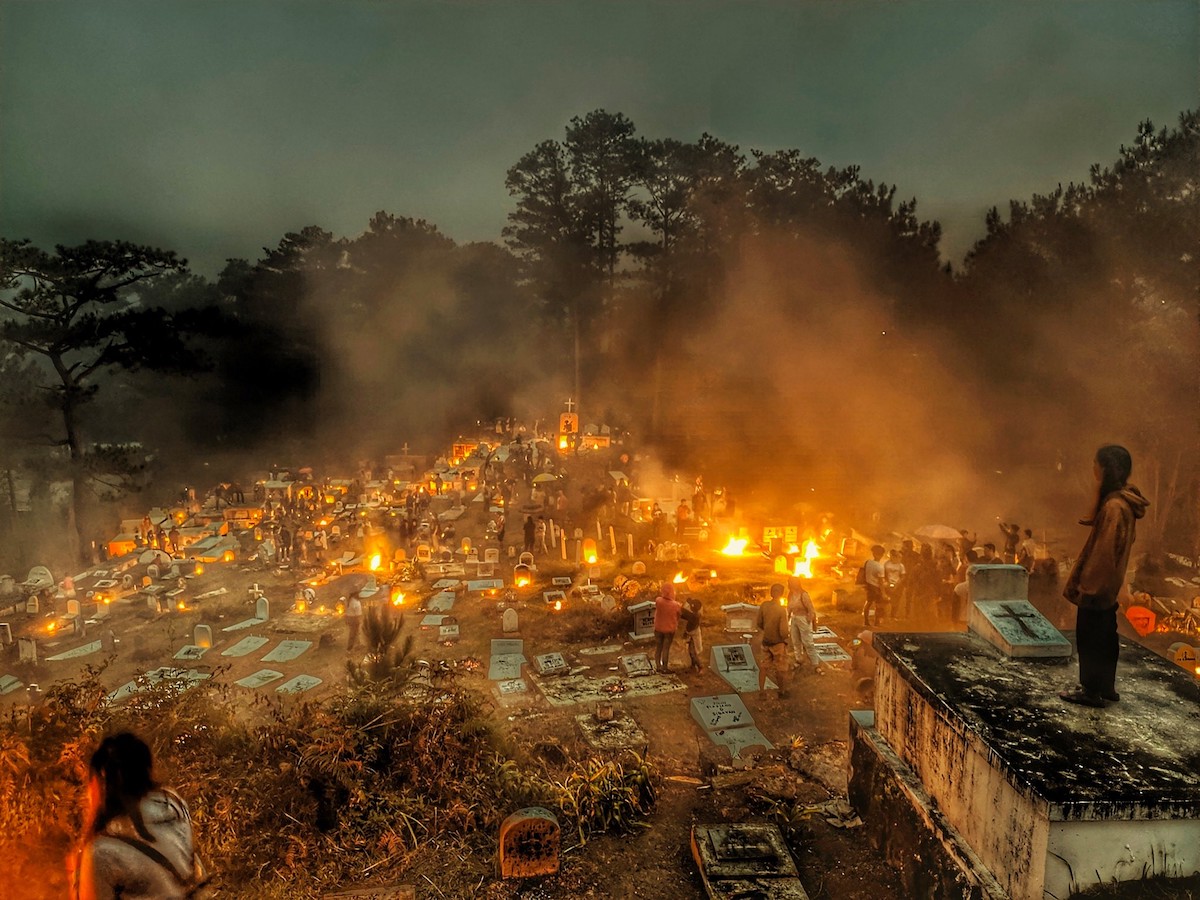
Panag-apoy Festival, held annually on November 1 in Sagada, is a tradition in Mountain Province to remember their dearly beloved departed by lighting a fire. According to the residents, this is their way to remember their departed and guide the souls of those who already left.
#4 Panagbenga Festival
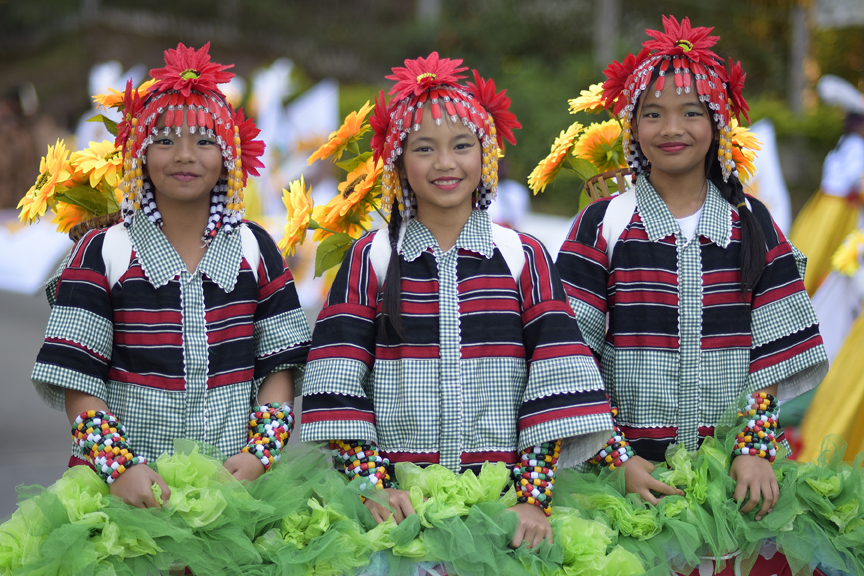
This flower festival in the City of Pines, Baguio, is celebrated every February. This festival was established to celebrate the season of blooming, February. Highlights of the festival include the impressive floral float parade and street dancing.
#5 Kadayawan Festival
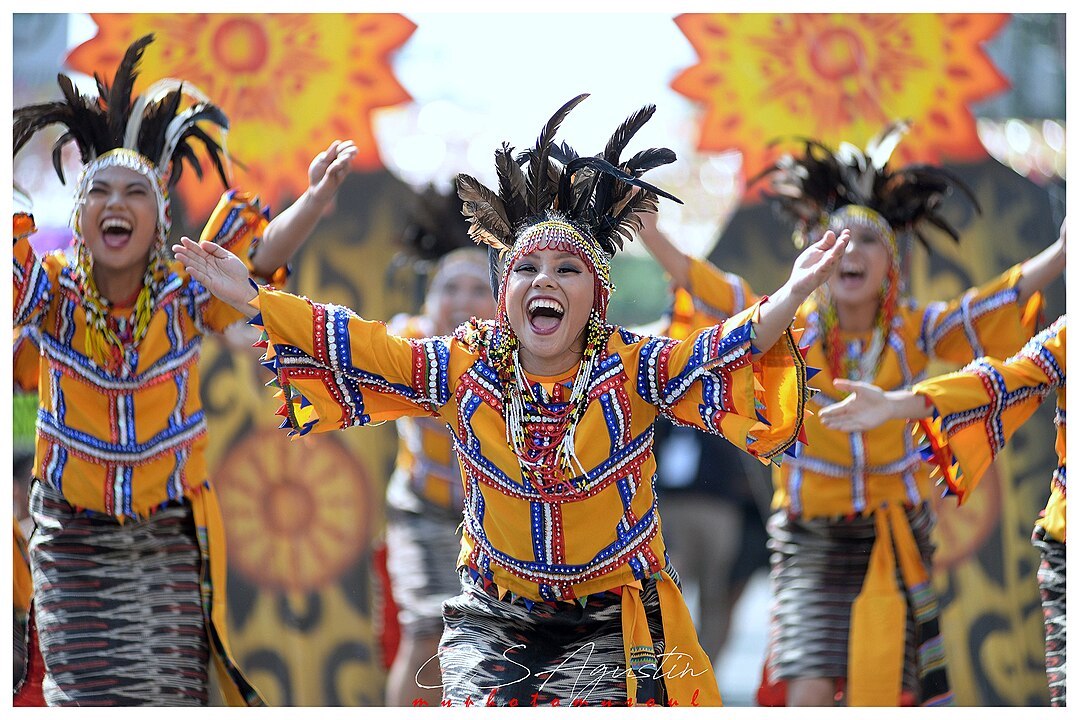
The Kadayawan Festival is an annual festival celebrated in Davao City, Philippines every third week of August. The festival is a celebration of life and thanksgiving for nature’s bounty, the wealth of culture, the bounties of harvest, and the serenity of living.
The festival’s name is taken from the Mandaya word “Madayaw,” which means valuable, good, and beautiful (source: PIA). The festival features floral float parades, street dancing, and other cultural presentations that highlight the 11 tribes of Davao City.
#6 Bacolod Masskara Festival
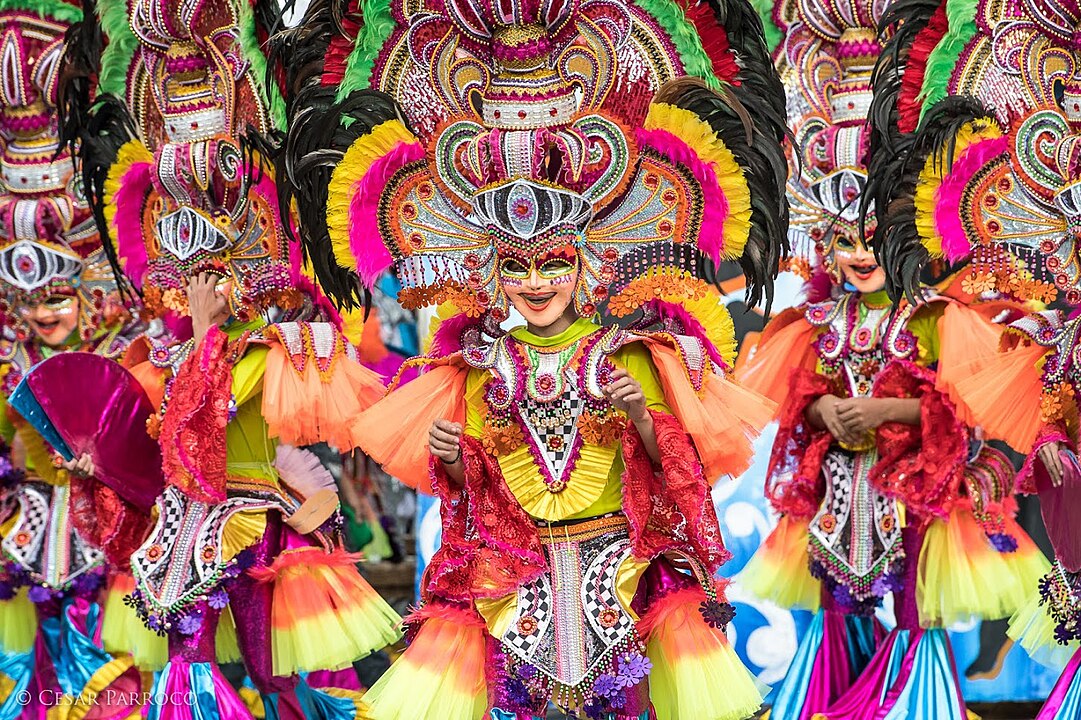
The Masskara Festival is the biggest festival held in Bacolod City every year. It is celebrated every third weekend of October. The origin of the name of the festival is from the words “mass” (many) and “kara” (face), meaning “many faces.”
The name is also a description of the festivities since part of the celebration is wearing masks or maskara in the local dialect. Many activities form part of the festivities, such as dance contests, drum and bugle contests, beauty pageants, food festivals, sports events, and musical concerts.

#7 Cebu Sinulog Festival
This is probably the most celebrated festival in the country, or at the very least in Cebu City. It is celebrated in honor of the Santo Nino or the Blessed Child Jesus. It is a commemoration of the Filipino’s acceptance of the Catholic faith. Held every third Sunday of January, it is a big celebration with the entire city participating.
The celebration goes on for nine days with various activities and events. It is celebrated mostly with dancing and mainly the Sinulog dance. The atmosphere is much like Mardi Gras with lots of music, mostly percussion, a colorful parade of floats, and dance groups. This is one big party, with lots of eating, drinking and dancing. On the last day, the festivities culminate in the biggest grand parade you will ever see.
#8 Aklan Ati-Atihan Festival
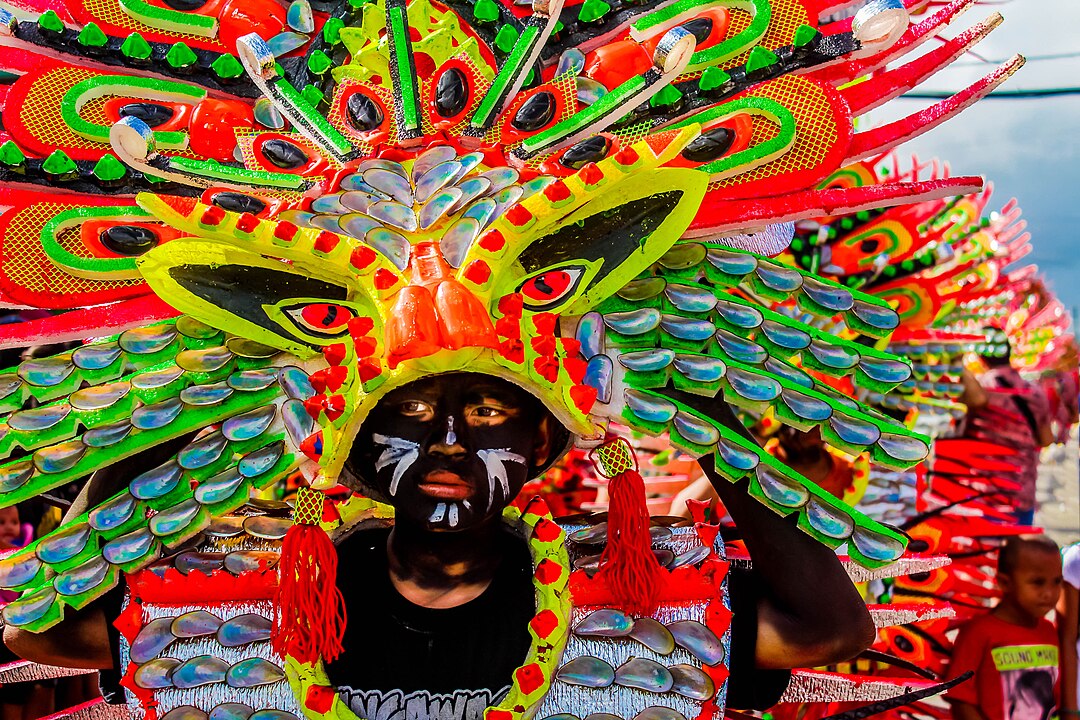
The Ati-Atihan Festival of Kalibo, Aklan, is one of the oldest festivals of our country. Its origins go back to before the Spanish Colonization. It is believed to be a festivity that originated with the Atis, the indigenous people of the island, giving thanks to the ten Malay tribes and the chieftains that settled on the lowlands of the island.
Spanish missionaries who came during the colonization added a Catholic theme to the festival by making it a feast for the Santo Nino or the Blessed Child Jesus. It is probably the origin of some of the later fiestas near the region, such as the Sinulog in Cebu and the Iloilo festival of Dinagyang.
The celebration takes place every January and culminates on the third Sunday of the same month with street parades. Many participants do the Ati-Atihan dance, with participants mimicking the Atis, dressed in indigenous costumes and clad with weapons, parading throughout the streets and throughout the day. The festivities end with the announcement of the winning dance group that the onlookers and tourists like the most.

#9 Ilo-Ilo Dinagyang Festival
Dinagyang Festival is a religious and cultural festival held annually on the fourth Sunday of January in Iloilo City, Philippines. It celebrates the Santo Niño, the pact between the Datus and the locals, and the sale of Panay Island by the Ati.
The festival starts on Friday with a fluvial procession, during which replicas of the image of the Sto. Niño are boarded on boats to sail along the Iloilo River. It has become the biggest celebration in Iloilo and is designed to attract tourism to the Philippines.
#10 Marinduque Moriones Festival
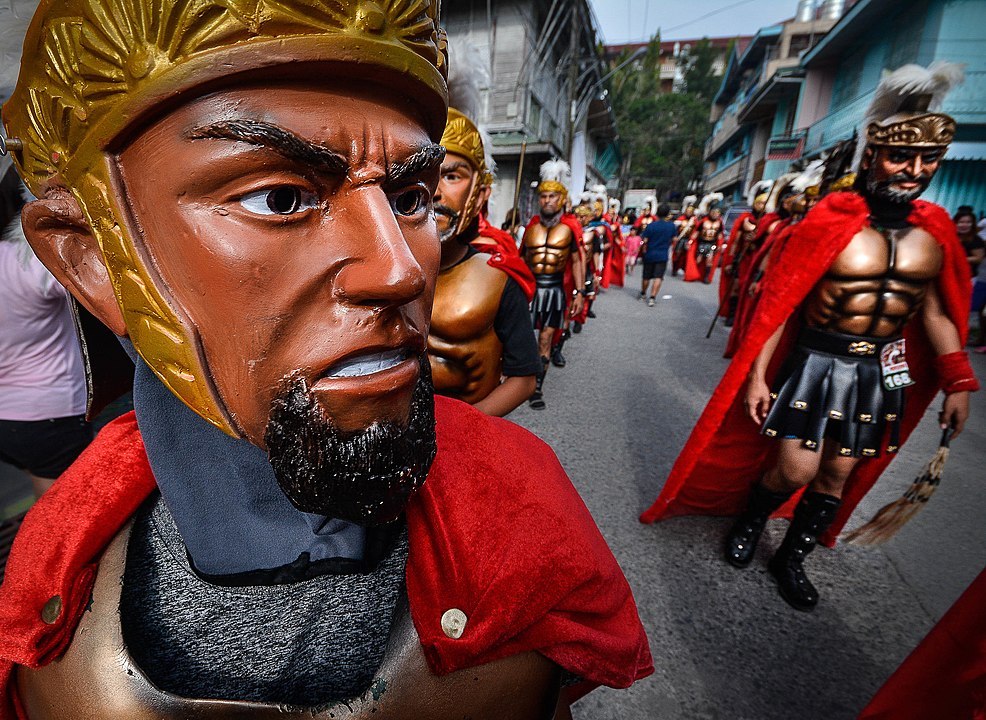
The Moriones Festival is a festival that re-enacts the story of St. Longunis. He was a Roman Centurion who was blinded in one eye. The festival is held during the Catholic Holy Week, from Holy Monday to Easter Sunday. During the celebration, participants wear costumes of Roman soldiers during biblical times. They also wear Morion masks depicting Roman Soldiers and Syrian mercenaries, which are part of the story re-enactment.
The costumes and the masks are all brightly colored and decorated to add to the festive mood. During the seven-day celebration, these masked Moriones will also roam the streets, poking fun at kids, dancing, and attracting attention. The entire island of Marinduque participates in the celebration where towns participate by putting in parts of the stage backdrop for the re-enactments. It is truly a big fiesta, as most festivities are here in the Philippines.
Follow us on Facebook and Twitter.
Also Read:
- The 10 Most Popular Festivals in the Philippines
- Best Places to Get Eyelash Extensions in Metro Manila
- What are the Top 10 Bohol Tourist Spots?