Markus Castro
CCP and PCW Use Filipino Films to Raise Awareness About Violence Against Women Through CineBabaylan
Table of Contents
Movies can entertain us, make us think, and sometimes bring attention to difficult stories. This November, Filipino cinema takes on a more meaningful role as the Cultural Center of the Philippines (CCP) and the Philippine Commission on Women (PCW) team up to bring important conversations about women’s safety and gender equality to communities nationwide.
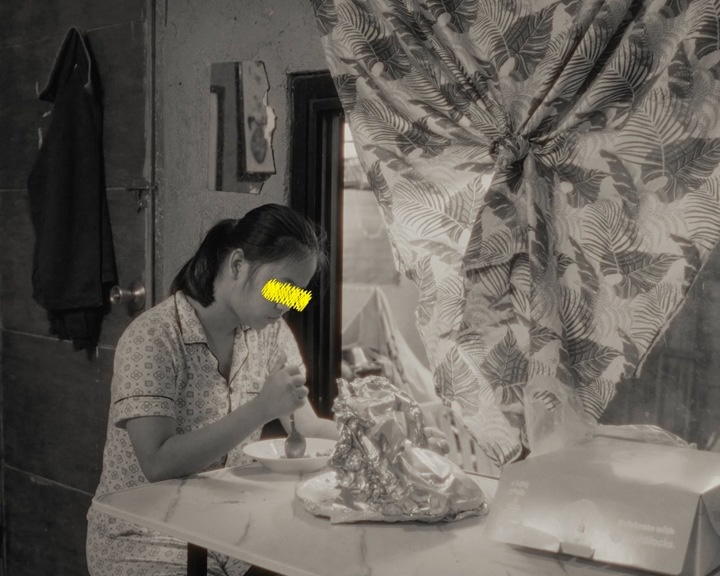
Together with the Inter-Agency Council on Violence Against Women and Their Children (IACVAWC) and SM Cares, the two institutions are launching CineBabaylan: Pelikula. Pagninilay. Pag-unawa. Pagkilos. Pag-asa is a nationwide film screening initiative that uses Philippine cinema to raise awareness about violence against women (VAW).
Part of the 2026 18-Day Campaign to End Violence Against Women, which runs from November 25 to December 12, the initiative brings together filmmakers, advocates, experts, and audiences to discuss issues that affect women and their communities.
Under the theme “UNiTEd for a VAW-free Philippines,” CineBabaylan features two full-length films and two short films from Cinemalaya. Each film tells a different story about abuse, discrimination, and the challenges women face when seeking justice, protection, and support.
Free Cinemalaya Film Screenings Open in Manila
CineBabaylan begins on November 25 with free screenings of two Cinemalaya films, Paglilitis and The Next 24 Hours, at SM Manila starting at 8 a.m.
The screenings coincide with the opening day of the 18-Day Campaign to End Violence Against Women and are organized in partnership with the City Government of Manila. The event will serve as the initiative’s national kickoff.
The program will also reach audiences in the Visayas. On December 2, CineBabaylan heads to the University of the Philippines Visayas for screenings of Mariposa and Bagahe. Both short films will be followed by discussions where viewers can share their thoughts and learn more about the issues presented on screen.
The idea is to go beyond simply watching a movie. Through these screenings, audiences are encouraged to reflect on survivors’ experiences, recognize harmful social attitudes, and understand how communities can help prevent violence.
Four Cinemalaya Films That Tell Important Stories
At the heart of CineBabaylan are four Filipino films that explore different experiences of violence against women. While their stories are fictional, the issues they tackle reflect situations many women still face.
Paglilitis
Directed by Cheska Marfori and Raymund Barcelon, Paglilitis follows a woman who has withdrawn from society after years of sexual harassment in the workplace.
With encouragement from a lawyer, she decides to file a case against her former employer, a powerful company CEO. At first, she finds comfort in the support she receives online. But that support does not last. The same social media platform eventually turns against her, exposing the difficult realities of speaking out and seeking justice in the public eye.
The film looks at the emotional toll of workplace harassment and the added pressure survivors experience when their stories become subjects of public judgment.
The Next 24 Hours
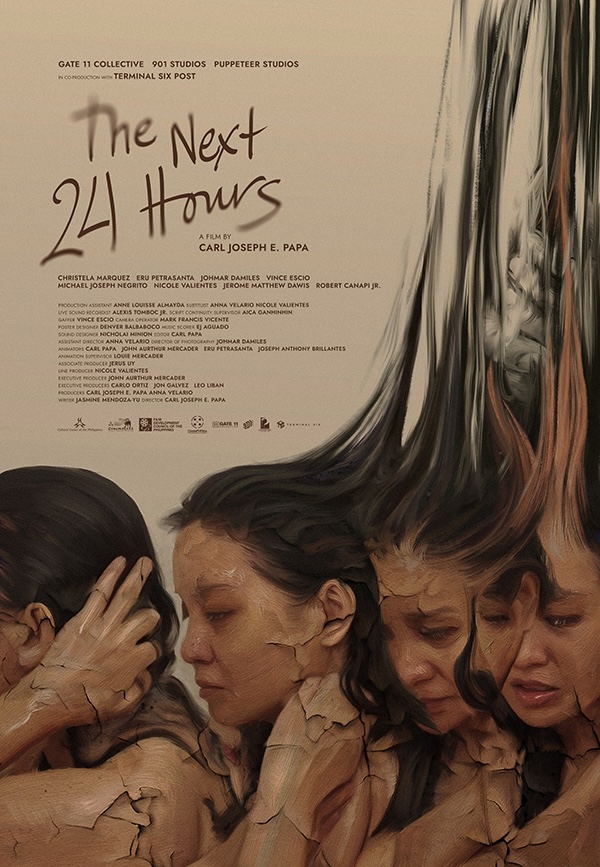
Directed by Carl Joseph Papa, The Next 24 Hours tells the story of a 29-year-old woman trying to deal with the aftermath of sexual assault.
The story unfolds over a single day as she struggles to navigate an unresponsive healthcare system, keep her trauma hidden at work, and deal with the manipulation of her assailant.
As she tries to regain control of her life, the film highlights the difficulties survivors encounter when seeking medical assistance, emotional support, and a sense of safety.
Mariposa
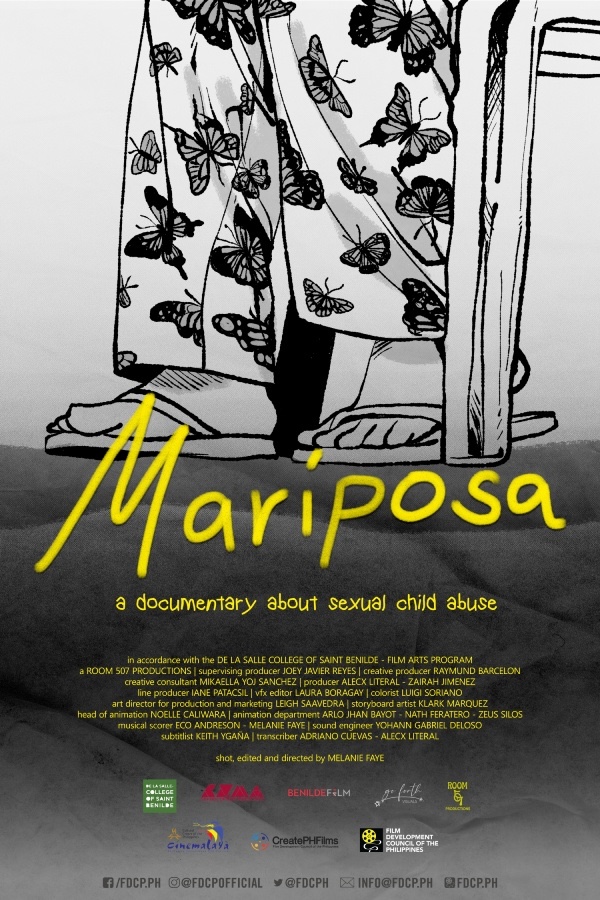
Directed by Melanie Faye Tampos, Mariposa focuses on a young survivor of sexual abuse and exploitation who is trying to rebuild her life while staying at a protective facility.
After graduating from junior high school, she prepares to start senior high school and begin another chapter of her life. However, ongoing legal cases against her abusers threaten to bring back painful memories.
The short film explores the challenges of healing and moving forward, especially when the process of seeking justice can bring survivors face-to-face with their traumatic experiences again.
Bagahe
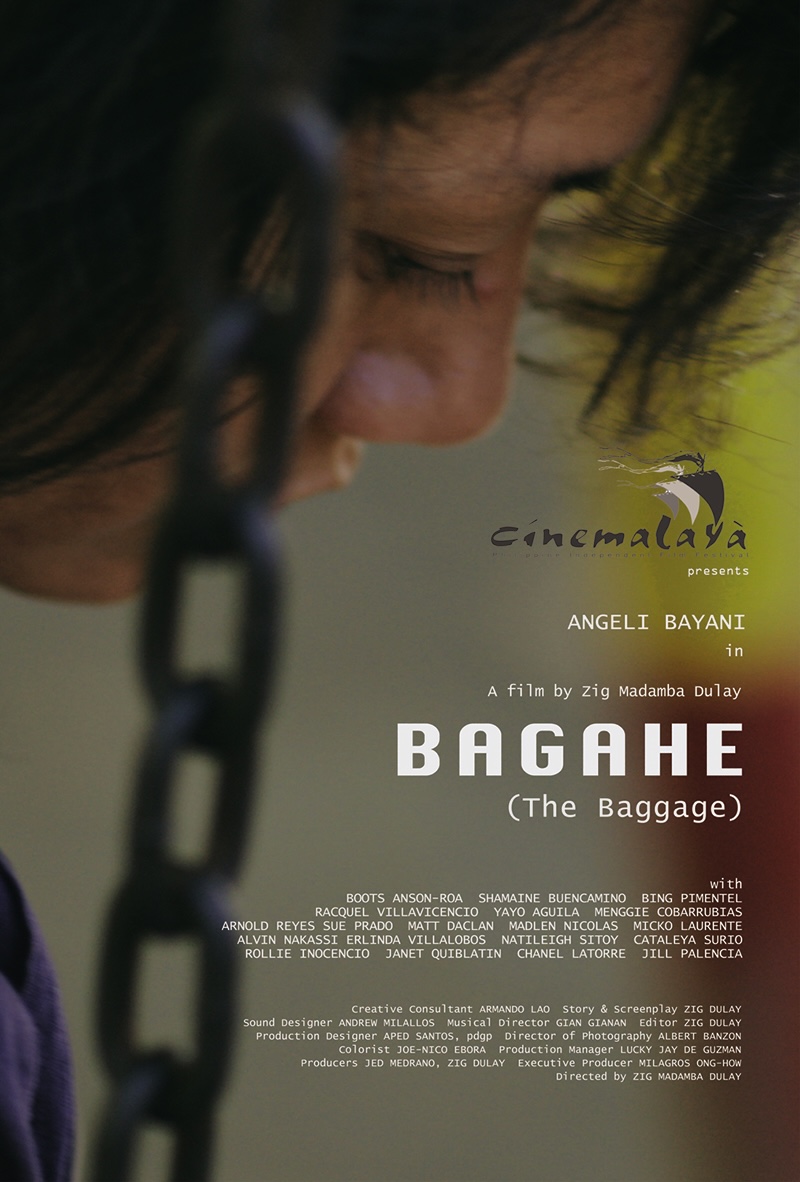
Directed by Zig Dulay, Bagahe follows an Overseas Filipino Worker (OFW) whose homecoming takes an unexpected turn after authorities investigate her connection to a newborn found abandoned in an airplane toilet.
As she moves between the police, hospitals, and social services, the circumstances surrounding her situation gradually reveal the abuse she experienced.
The film highlights the vulnerabilities of migrant women and the difficulties they may face when trying to access proper care, protection, and understanding.
More Than Movies: Turning Stories Into Conversations
What makes CineBabaylan different from an ordinary film screening is the opportunity for audiences to discuss what they have just watched.
Each screening will include a one-hour moderated talkback session featuring filmmakers, male advocates against violence against women, and expert resource persons.
These discussions will connect the films’ stories with real-life situations and help participants better understand the social issues behind them. Audiences will also learn about relevant Philippine laws, government services, and community-based programs that assist survivors and help prevent violence.
CCP President Kaye Tinga believes that cinema can play an important role in encouraging social awareness and inspiring change.
“Cinema has the power to do more than tell stories. It can open conversations, deepen empathy, and inspire change,” Tinga said.
Through CineBabaylan, the CCP hopes to use the arts to encourage more people to speak about violence against women and turn awareness into meaningful action.
The Meaning Behind the Name CineBabaylan
The initiative takes its name from the babaylan, a respected figure in precolonial Philippine communities associated with knowledge, healing, guidance, and community well-being.
Rather than referring to one individual, the babaylan represents a shared sense of responsibility. This idea is reflected in CineBabaylan’s message that protecting women and preventing violence should not be left to survivors alone. Families, institutions, and communities all have a role to play.
The program follows five steps designed to take audiences from watching a film to understanding an issue and finding ways to help.
- Pelikula (Film): Opens conversations through stories that reflect important social issues.
- Pagninilay (Reflection): Gives viewers time to think about their reactions and feelings after watching.
- Pag-unawa (Understanding): Provides context and deeper insights through discussions with experts.
- Pagkilos (Action): Encourages individuals and communities to turn awareness into practical steps.
- Pag-asa (Hope): Reminds audiences that safer and more respectful communities are possible when people work together.
The framework reinforces the idea that watching a film can start a much bigger conversation—one that can lead to greater understanding and meaningful action.
Schools and Organizations Can Host Their Own CineBabaylan Screenings
CineBabaylan is not limited to its initial screenings in Manila and Iloilo. The organizers are also inviting government agencies, schools, universities, local government units, and civil society organizations to host their own community screenings.
By bringing the films to more locations, the initiative hopes to reach students, educators, local communities, and organizations interested in promoting awareness about violence against women.
Each participating organization can request a screening and select its preferred date within the campaign period.
Interested groups may submit their requests through the CineBabaylan Screening Request Form:
https://bit.ly/CineBabaylanScreeningRequestForm
Screening dates are available from November 25 to December 12, 2026. All requests will be subject to confirmation by the Cultural Center of the Philippines and to the conditions for authorized film usage.
For updates about CineBabaylan, screening schedules, and other activities, follow the official communication channels of the Cultural Center of the Philippines and the Philippine Commission on Women.
Using Cinema to Encourage Change
Films can help audiences understand experiences beyond their own. Through CineBabaylan, the CCP, PCW, and their partners hope to use that connection to bring difficult but necessary conversations about violence against women into more Filipino communities.
With stories that explore workplace harassment, sexual assault, abuse, and the challenges survivors face, the initiative encourages viewers to look beyond the screen and recognize the importance of listening, understanding, and supporting those affected.
Ultimately, CineBabaylan reminds us that building a VAW-free Philippines takes more than awareness campaigns. It takes informed communities, accessible support systems, and people willing to stand together to protect women’s safety and dignity.
Follow us on Facebook and Twitter.
Read:
- Facts About Marian Arellano – Miss Universe Philippines Tarlac 2026
- Facts about Bea Millan Windorski – Miss Universe Philippines 2026
- Miss Universe 2026 Controversy: Contestants from Six Southeast Asian Countries Declared Ineligible as Thailand Franchise Hits Back
- Pokwang Calls on Phillip Salvador to Step Up as Josh Aquino’s Father
- Meet the New PBB Collab 3.0 Housemates
- PBB Collab 3.0: Ethan Banares and Calix Esguerra Become First Evictees
- The Philippines Wins the First Eurovision Asia Song Contest: Carmelle Makes History with “Sobra-Sobra”