Markus Castro
How to Avoid Getting the Flu: Tips and Strategies for Staying Healthy
Table of Contents
The flu is a highly contagious respiratory illness caused by the influenza virus. It can cause mild to severe illness and can sometimes lead to complications that result in hospitalization or even death. While the flu can be unpredictable, there are steps that individuals can take to reduce their risk of getting sick.
One of the most effective ways to avoid catching the flu is to get vaccinated. According to the Centers for Disease Control and Prevention (CDC), getting a flu shot is the single best way to protect oneself and others from the flu. The flu vaccine can reduce the risk of flu illness, hospitalization, and death, and it is recommended for everyone aged six months and older, with rare exceptions.
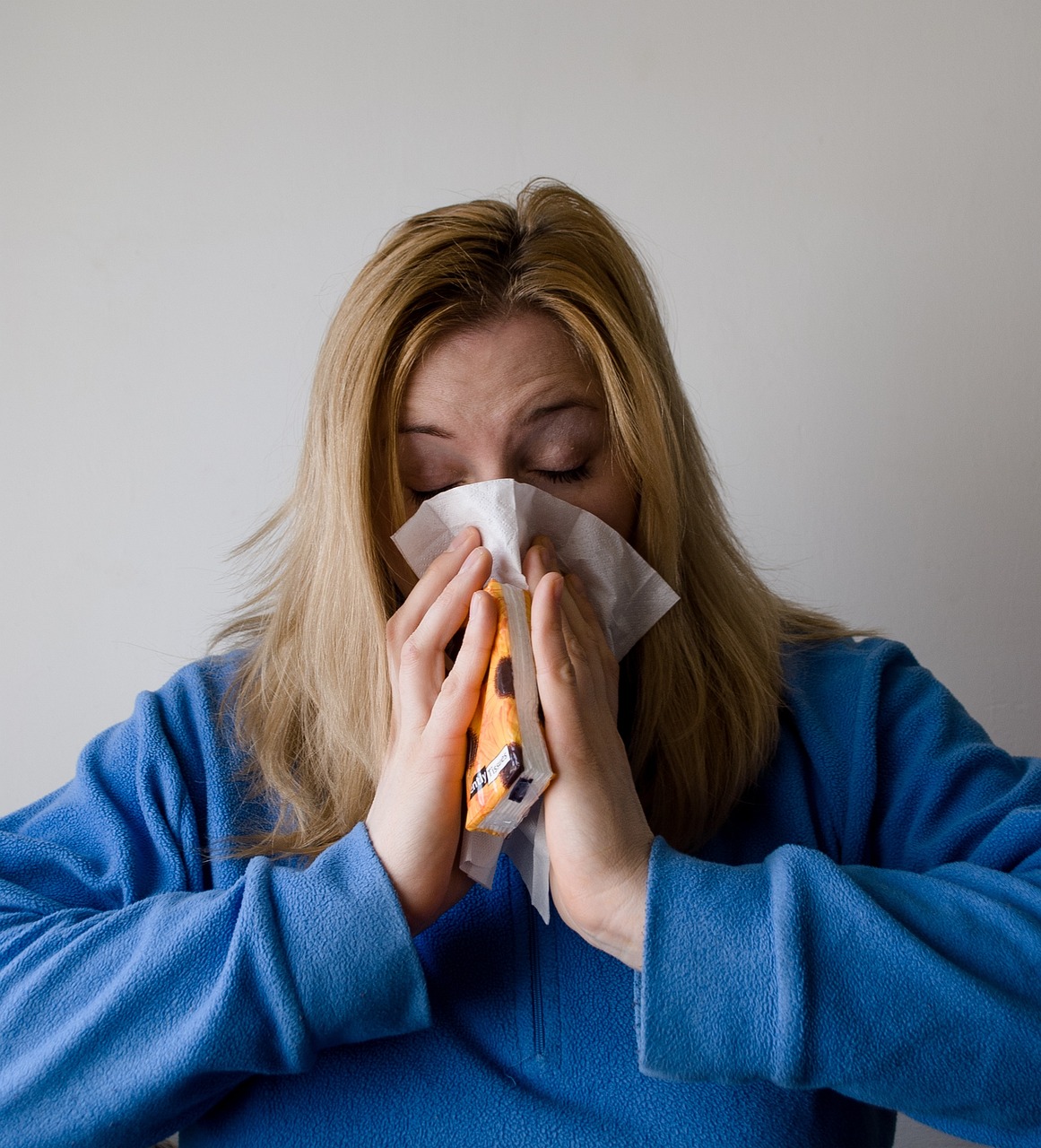
In addition to getting vaccinated, individuals can also practice good hygiene to defend against the flu. The flu virus is extremely contagious and can spread through respiratory droplets when an infected person talks, coughs, or sneezes. To reduce the risk of infection, individuals should wash their hands regularly, avoid touching their face, cover their mouth and nose when coughing or sneezing, and avoid close contact with sick individuals.
Understanding the Flu
The flu, also known as influenza, is a contagious respiratory illness caused by influenza viruses. The virus can cause mild to severe illness, and in some cases, it can lead to serious complications such as pneumonia, hospitalization, and even death.
Identifying Flu Symptoms
Flu symptoms can vary from person to person, but they typically include fever, cough, sore throat, headache, body aches, and runny nose. Some people may also experience fatigue, vomiting, and diarrhea, although these symptoms are more common in children than in adults.
Flu Complications
While most people who get the flu will recover within a few days to a couple of weeks, some people may develop complications. These can include pneumonia, bronchitis, sinus infections, and ear infections. In some cases, the flu can also worsen existing medical conditions, such as asthma or diabetes.
Pneumonia is one of the most serious complications of the flu, and it can be life-threatening, especially for older adults, young children, and people with weakened immune systems. Hospitalization may be required for severe cases of the flu, and in some cases, the virus can lead to death.
It is important to seek medical attention if you experience severe flu symptoms or if you are at high risk for complications. High-risk groups include young children, pregnant women, older adults, and people with chronic medical conditions such as asthma or diabetes.
Overall, the best way to prevent the flu and its complications is to get vaccinated every year, practice good hygiene, and avoid contact with people who are sick.
Prevention Strategies
To avoid getting the flu, there are several strategies that can be implemented. The most effective strategy is to get vaccinated against the flu. Vaccination is especially important for pregnant women, children aged 6 months to 5 years, elderly people, those suffering from chronic medical conditions, and for health care workers. Flu vaccination is typically available from October and should be received annually.
Flu Vaccination
Getting vaccinated against the flu is the single best way to prevent the flu and its potentially serious complications. The flu vaccine stimulates the body to produce antibodies that provide protection against the influenza virus. Vaccination is also important for developing herd immunity, which helps protect those who cannot receive the vaccine.
Hygiene Practices
Practicing good hygiene is another important way to prevent the flu. Covering your mouth and nose when coughing or sneezing, using tissues to wipe your nose and mouth, and avoiding close contact with sick people are all effective measures. Washing your hands frequently with soap and water or using an alcohol-based hand sanitizer can also help prevent the spread of germs.
Healthy Lifestyle Choices
Maintaining a healthy lifestyle can also help prevent the flu. Eating a balanced diet rich in fruits and vegetables can boost the immune system and provide essential vitamins and antioxidants. Regular exercise and adequate sleep can also help boost the immune system and reduce stress, which can weaken the immune system. Avoiding smoking and excessive alcohol consumption can also help protect against respiratory infections.
In addition to these prevention strategies, antiviral drugs such as Tamiflu can help reduce the severity of symptoms and shorten the duration of the flu if taken within the first 48 hours of symptom onset. It is important to stay home and rest if you become sick with the flu to avoid spreading the infection to others. If symptoms persist or worsen, seek medical attention as hospitalization may be necessary.
Overall, implementing a combination of vaccination, hygiene practices, and healthy lifestyle choices can help protect against the flu and its potentially serious complications.
Treatment Options
There are several treatment options available for those who have contracted the flu. These include antiviral drugs and symptom management.
Using Antiviral Drugs
Antiviral drugs such as Tamiflu can be used to treat the flu, particularly if taken within the first 48 hours of symptoms. These drugs work by stopping the virus from multiplying in the body, which can lead to a faster recovery and reduced severity of symptoms. It is important to note that antiviral drugs are not a substitute for the flu vaccine, and should not be used as a preventative measure.
Managing Flu Symptoms
For those who have contracted the flu, symptom management is an important part of treatment. This can include taking over-the-counter medications such as acetaminophen or ibuprofen to reduce fever and alleviate pain, as well as getting plenty of rest and staying hydrated. It is also important to avoid spreading the virus by covering your mouth and nose when coughing or sneezing, and washing your hands frequently.
Health care workers, in particular, should take extra precautions to avoid spreading the flu to vulnerable populations. This can include wearing masks and gloves, and avoiding contact with patients who are at high risk of complications.
Common flu symptoms include fever, cough, sore throat, headache, body aches, and runny nose. These symptoms are caused by inflammation in the body, which is triggered by cytokines and cortisol. By managing symptoms and reducing inflammation, individuals with the flu can recover more quickly and avoid complications.
In the case of a pandemic or epidemic, it is important to follow guidelines from public health officials and take extra precautions to avoid spreading the virus. This can include avoiding large gatherings, practicing good hygiene, and staying home if you are sick. By taking these steps, individuals can help protect themselves and others from the flu.
Frequently Asked Questions
How can I prevent the flu naturally?
There are several natural ways to prevent the flu. One of the best ways is to maintain good hygiene. Wash your hands frequently with soap and water, especially before eating or touching your face. Stay away from people who are sick and avoid touching your face, nose, and mouth.
What should I eat to prevent the flu?
Eating a healthy and balanced diet can help boost your immune system, which can help prevent the flu. Foods that are high in vitamin C, such as citrus fruits, bell peppers, and strawberries, can help strengthen your immune system. Foods that are high in zinc, such as oysters, beef, and pumpkin seeds, can also help boost your immune system.
What are some ways to prevent the flu from getting worse?
If you do get the flu, there are several things you can do to prevent it from getting worse. Stay hydrated by drinking plenty of fluids, such as water, tea, and soup. Get plenty of rest and avoid strenuous activities. Over-the-counter medications, such as acetaminophen or ibuprofen, can help relieve symptoms such as fever and body aches.
Is there medicine to prevent the flu?
Yes, there are antiviral medications that can help prevent the flu. These medications can be prescribed by a healthcare provider and are most effective when taken within the first 48 hours of symptoms. It is important to note that these medications are not a substitute for the flu vaccine.
How can I prevent the flu after being exposed?
If you have been exposed to the flu, there are several things you can do to prevent getting sick. Wash your hands frequently with soap and water, avoid touching your face, and stay away from people who are sick. If you are at high risk of complications from the flu, such as young children or older adults, talk to your healthcare provider about antiviral medications.
What are some tips for preventing and controlling influenza?
The best way to prevent the flu is to get vaccinated every year. Additionally, maintaining good hygiene, such as washing your hands frequently and avoiding touching your face, can help prevent the spread of the flu. If you do get the flu, stay home and avoid contact with others to prevent spreading the virus.
Follow us on Facebook and Twitter.
Read: What are the Health Benefits of Ashitaba Tea?