Markus Castro
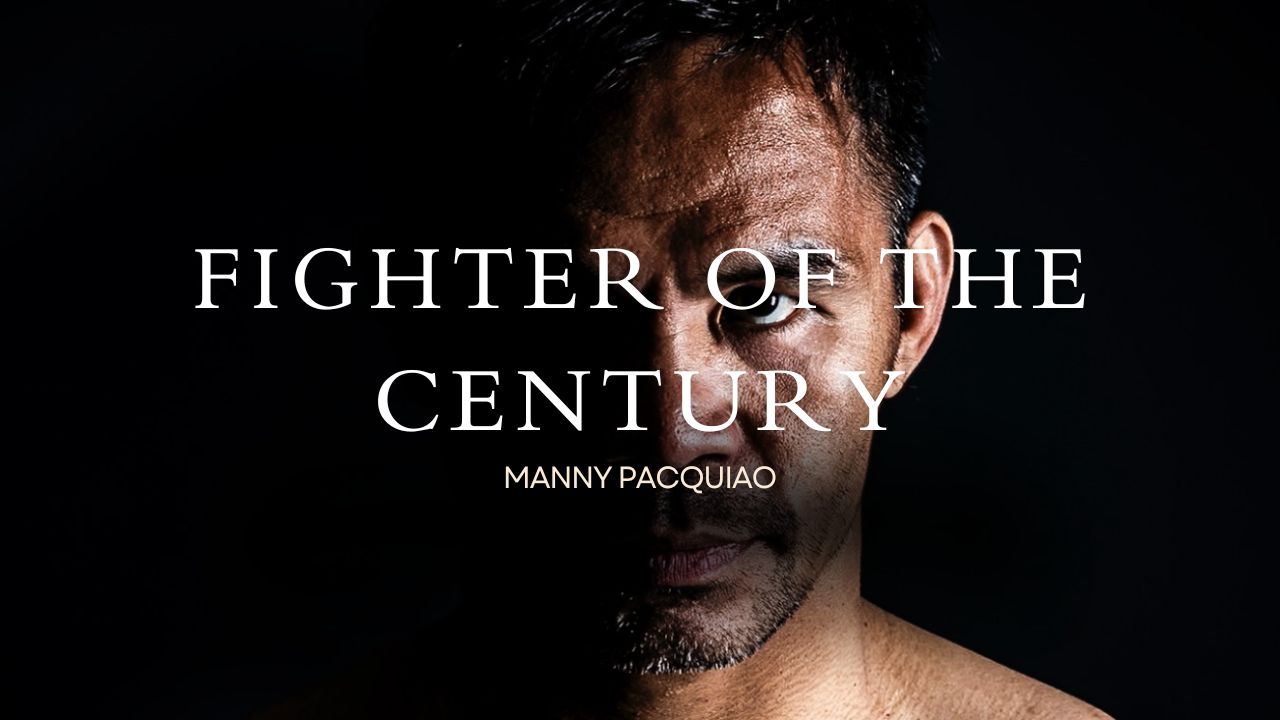
In a landmark recognition that solidifies one of boxing’s most extraordinary and storied legacies, Manny Pacquiao has been named Fighter of the Century by the World Boxing Council (WBC). The announcement is both a celebration of his historic achievements and a tribute to a rare kind of greatness in the sport, where unmatched longevity meets fearless ambition, relentless discipline, and a career built on facing the most dangerous opponents across multiple weight divisions.
A career without precedent
Table of Contents
Pacquiao’s résumé stands alone. He is the only boxer in history to capture world titles across eight weight divisions, a once-unthinkable feat that upended assumptions about size, power, and physical limits. From flyweight to junior middleweight, Pacquiao consistently stepped up to face naturally bigger, more vigorous opponents and beat them, imposing himself with a blistering pace and a savage intensity they struggled to withstand.
What set Pacquiao apart was not merely the number of belts he collected, but the way he conquered each division. His explosive southpaw angles, blinding hand speed, and tireless, cutting footwork produced some of the most electrifying performances of the modern era. At his peak, he was both a whirlwind volume puncher and a ruthless finisher—an uncommon blend that turned every appearance into a must-watch spectacle, where the sense of danger never left the ring.
Defining eras, defining rivals
Across multiple generations, Pacquiao faced—and beat—elite opposition. He didn’t curate safety-first matchups; he consistently looked for the most dangerous and meaningful fights available in each era. From heavy-handed punchers to slick technicians and naturally bigger champions, he targeted opponents who were still near their peak rather than coasting on faded names.
His willingness to climb through weight classes in pursuit of greatness produced a résumé that serves as a living timeline of modern boxing, spanning the early 2000s through the late 2010s. During that span, he remained not just active but relevant, competitive, and a genuine box-office draw—a scarce combination in a sport where even great careers usually burn out quickly.
Global impact beyond the ring
The WBC’s designation also recognizes Pacquiao’s profound impact beyond the ring. As a global icon from the Philippines, he brought unprecedented attention to Philippine boxing. He significantly expanded the sport’s reach across Asia, inspiring millions of fans and aspiring fighters along the way.
His underdog rise from poverty, combined with his relentless work ethic and gracious sportsmanship, turned him into a powerful symbol of hope and perseverance for people facing hardship. Pacquiao’s crossover into public service—as a congressman and later a senator—further elevated his stature, recasting him as not only a world champion but also a national leader and humanitarian.
Through his advocacy for poverty alleviation, disaster relief, and grassroots sports development, he cemented his status as a cultural figure whose influence extends far beyond pay-per-view numbers and championship belts.
Why “Fighter of the Century” fits
Such honors always invite debate, but in Pacquiao’s case, the argument is unusually strong. He combined unprecedented accomplishments, consistently elite opposition, remarkable longevity at the top level, and a global cultural impact—criteria that together define a legacy capable of standing alongside the sport’s all‑time greats.
The WBC’s acknowledgment doesn’t merely reward a stack of belts and trophies; it recognizes how Pacquiao expanded the boundaries of what a fighter of his size, background, and circumstances could reasonably aspire to. In doing so, he changed expectations of what a boxer could attempt and accomplish across multiple divisions and eras.
Ultimately, this recognition feels less like a ceremonial coronation and more like a long‑overdue confirmation. Manny Pacquiao did more than win titles—he redrew boxing’s competitive landscape, challenged assumptions about physical limits, and broadened the sport’s sense of what might be possible.
Follow us on Facebook and Twitter.
Read: Is Nadal Academy prodigy Alex Eala the next tennis star?