Markus Castro
A proper balance of vitamins and minerals is crucial for healthy, strong hair. Nutrient deficiencies often cause noticeable changes in hair, and a few essential nutrients can significantly impact hair health. Experts emphasize the importance of vitamins A, C, D, E, and B (particularly biotin), as well as minerals like zinc and iron, in promoting strong and vibrant hair.
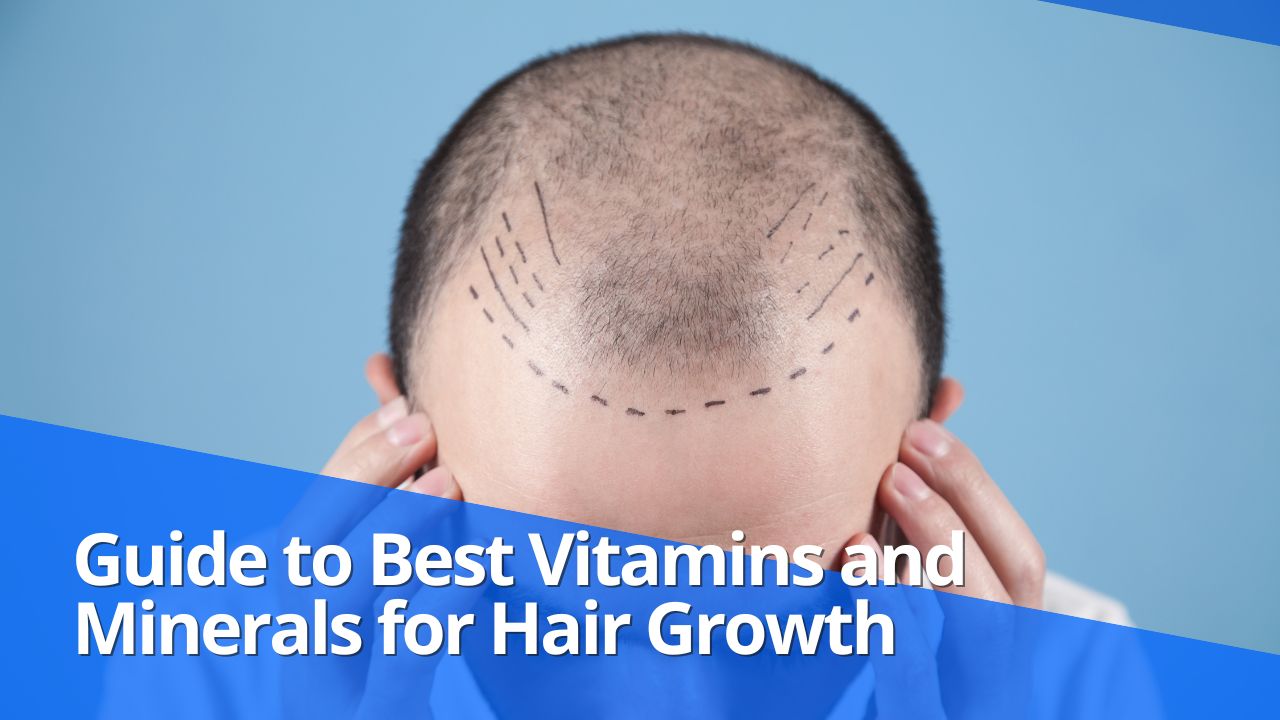
Knowing which nutrients are important helps people improve their hair health through proper nutrition and supplements. Readers can discover essential vitamins and minerals for hair growth by reviewing expert-approved advice and practical tips to strengthen hair from within.
Understanding Hair Growth and Nutritional Needs
Table of Contents
Hair grows in a cyclical pattern and relies on proper nutrients to remain strong and healthy. A deficiency in specific vitamins or minerals can manifest through changes in hair’s appearance and texture.
Hair Growth Cycle Explained
Hair goes through three main stages: anagen, catagen, and telogen.
- Anagen is the active growth phase, which can last several years. Most scalp hair is in this stage.
- Catagen is a short transition phase, lasting about two weeks. During this phase, hair growth slows down.
- Telogen is the resting phase. Hair does not grow in this period and eventually falls out, making room for new growth.
On average, hair grows about half an inch per month. Diet, age, and health can affect how long each phase lasts. Disruption in this cycle, often caused by stress or nutrient shortages, can lead to thinning or increased shedding.
How Nutrition Impacts Hair Health
Hair follicles are some of the fastest-growing cells in the body, which means they need plenty of nutrients each day. Key nutrients for hair include biotin, vitamin D, iron, zinc, and vitamin E. These vitamins and minerals help with hair cell development, protect follicles, and keep the scalp healthy.
Biotin supports the production of keratin, which is the main protein in hair. Vitamin D assists with the creation of new follicles. Iron brings oxygen to hair roots, while zinc helps repair hair tissue. Without enough of these nutrients, hair can become weak, dull, or fall out easily. A healthy diet with a variety of foods supports optimal hair growth, as seen in expert guides to vitamins and minerals for hair growth.
Signs of Nutritional Deficiencies in Hair
When hair doesn’t get enough nutrition, it often shows clear warning signs:
- Increased shedding: Hair falls out more easily or in larger amounts.
- Brittle or thinning hair: Hair strands break off quickly or become very fine and limp.
- Dry or lifeless hair: Hair looks dull and loses its shine.
Other signs include a flaky scalp or slowed hair growth. These problems can often be improved with dietary changes and by getting more of the right nutrients, as described in essential nutrients for hair growth. If hair health does not improve after adjusting diet, it is a good idea to consult a doctor.
Essential Vitamins for Hair Growth
Healthy hair relies on getting enough of the right nutrients. Certain vitamins play direct roles in supporting hair strength, growth, and overall scalp wellness.
Biotin (Vitamin B7)
Biotin is a B-vitamin that supports keratin, the main protein in hair. Lower levels of biotin can sometimes cause hair thinning or brittle strands. Many people take biotin supplements to boost hair growth, especially if they are not getting enough from food sources like eggs, nuts, or seeds.
Some research links biotin deficiencies to hair loss, but most people get enough from their diet. For those with a deficiency, adding more biotin may help strengthen hair and reduce breakage. Biotin is also included in many hair growth vitamins sold today.
Quick food sources of biotin:
- Eggs
- Almonds
- Spinach
- Sweet potatoes
Vitamin D
Vitamin D helps create new hair follicles. People who do not get enough sunlight or who have vitamin D deficiencies may experience more hair shedding. Low vitamin D is sometimes linked with hair loss conditions such as alopecia.
The body makes vitamin D from sunlight, but it is also found in foods like salmon, tuna, and fortified milk. Making sure to have enough vitamin D, either from sunlight or foods, can support healthy hair growth. For many, a blood test can determine if vitamin D supplements are needed.
Food sources of vitamin D:
- Fatty fish (salmon, mackerel)
- Fortified dairy products
- Egg yolks
- Mushrooms exposed to sunlight
Vitamin E
Vitamin E is an antioxidant vitamin that protects hair and scalp from oxidative damage. It may improve blood flow to the scalp, which is important for hair follicles. Studies suggest vitamin E can help improve hair strength and support growth in people with deficiencies.
Supplements with vitamin E are common, but many healthy foods contain it as well. Nuts, seeds, and leafy greens are reliable sources. While vitamin E supports hair growth, too much from supplements can cause side effects, so moderation is key.
Good food sources for vitamin E:
- Sunflower seeds
- Almonds
- Spinach
- Avocado
Vitamin A
Vitamin A is needed for the growth of all cells, including hair. It helps skin glands make sebum, which keeps the scalp moisturized and hair healthy. Not getting enough vitamin A can cause hair to become dry and brittle, and it may slow growth.
However, too much vitamin A from supplements can actually cause hair thinning or loss. Most people can get enough vitamin A by eating a variety of colorful fruits and vegetables, dairy, and eggs.
Best natural sources of vitamin A:
- Carrots
- Sweet potatoes
- Kale
- Milk and eggs
Crucial Minerals Supporting Hair Strength
Several minerals play a direct role in hair strength and growth. Each mineral has a unique function that can affect hair health when not present in the right amount.
Iron
Iron is important for healthy hair follicles. It helps deliver oxygen to hair roots, making hair strands stronger and less likely to fall out.
When someone lacks iron, they may notice thinning hair or increased hair loss. Iron deficiency is one of the most common nutritional problems linked to hair thinning, especially in women. Good sources of iron include red meat, beans, and spinach.
The body needs enough vitamin C to absorb iron well. Eating foods high in vitamin C with iron-rich meals can make a difference. Studies show that correcting low iron levels can improve hair density in people with hair loss caused by iron deficiency.
Zinc
Zinc is a key mineral for healthy hair growth and repair. It helps the oil glands around hair follicles work well and plays a part in tissue growth.
Low zinc levels can lead to hair loss and slow hair growth. In some cases, people with zinc deficiency notice brittle hair or even bald patches. Foods high in zinc include shellfish, beef, nuts, and dairy products.
Zinc also supports the immune system, which can help protect hair follicles from damage. Getting enough zinc from food or supplements can lower the chances of weak or thinning hair.
Magnesium
Magnesium is needed for hundreds of body reactions, including those that support healthy hair. It helps control protein production, which is necessary for strong hair strands.
People who do not get enough magnesium might see more hair shedding or find their hair becomes dull and thin. Common sources of magnesium are leafy greens, nuts, seeds, and whole grains.
Some studies suggest that magnesium helps prevent calcium buildup in hair follicles. Too much calcium can block follicles and reduce growth. Eating a balanced diet with enough magnesium may help keep hair stronger and reduce excessive hair loss.
B Vitamins and Hair Follicle Renewal
B vitamins help support hair growth and the ongoing renewal of hair follicles. They play a key role in creating new cells and delivering nutrients to scalp tissues.
Vitamin B12
Vitamin B12 helps the body make red blood cells, which carry oxygen and nutrients to the hair follicles. Healthy red blood cell production is important for hair growth and preventing hair from becoming weak or brittle. Low vitamin B12 can lead to slower hair growth and possible thinning.
Older adults, people with certain dietary restrictions, and those with digestive issues may have trouble absorbing enough B12. Animal foods, such as meat, fish, eggs, and dairy, are the main sources. Those following plant-based diets often need to supplement or eat foods fortified with B12.
A deficiency can produce noticeable symptoms, such as hair thinning, fatigue, and pale skin. Taking B12 supplements, when needed, can help improve hair health according to experts.
Folate (Vitamin B9)
Folate, also known as Vitamin B9, is essential for cell growth and tissue repair, including hair follicles. Folate helps produce DNA and supports the growth and division of new cells. Hair grows from hair follicles, so healthy cell development is a critical factor for keeping hair thick and strong.
Folate-rich foods include dark leafy greens, beans, lentils, and citrus fruits. People who do not get enough folate may notice slower hair growth or increased shedding. Folate also works closely with Vitamin B12 to create healthy red blood cells that feed hair follicles.
Supplements can be used if dietary intake is low. Consistent folate levels can help promote steady and healthy hair growth, as explained by dermatologists and hair care professionals.
Antioxidants and Their Role in Hair Health
Antioxidants protect hair and scalp by fighting free radicals, which can damage hair follicles and slow growth. Key antioxidants for hair include vitamin C and selenium. They both help maintain a healthy environment for strong, resilient hair.
Vitamin C
Vitamin C is a powerful antioxidant that helps protect hair from oxidative stress. Oxidative stress happens when free radicals build up and damage hair follicles, causing weak or brittle hair. Vitamin C also supports the production of collagen, a protein that strengthens hair and keeps it looking healthy.
People who get enough vitamin C through fruits like oranges, strawberries, and kiwi often have better hair strength and shine. It also helps the body absorb iron, an important mineral for hair growth. Some shampoos and hair products add vitamin C to boost scalp health.
Including vitamin C in a daily diet or routine can help keep hair strong and reduce breakage. Learn more about the benefits of antioxidants for hair.
Selenium
Selenium is a trace mineral and antioxidant that helps the body fight inflammation and cell damage in the scalp. It supports healthy hair growth by keeping the scalp balanced and reducing dandruff, which can block hair follicles and slow growth.
Eating foods like Brazil nuts, eggs, and sunflower seeds provides selenium. Getting enough selenium in the diet is linked to stronger hair and less shedding. Too much selenium, however, can cause hair loss, so balance is important.
Doctors sometimes recommend selenium supplements if someone is low in this nutrient, but they usually suggest getting it from food for safety. Selenium’s antioxidant role is important for both scalp health and the hair’s natural cycle. More info can be found on antioxidant-rich foods for hair growth.
Dietary Sources of Key Hair Growth Nutrients
Certain foods are rich in nutrients that help support healthy hair growth and strength. Eating a variety of these foods can provide vitamins and minerals the body needs to grow thicker and stronger hair.
Foods Rich in Hair-Healthy Vitamins
Eggs are a good source of biotin and vitamin D, both of which are important for hair growth. Leafy greens like spinach and kale deliver vitamins A and C, which help the scalp produce healthy oil and support collagen production.
Citrus fruits, such as oranges, provide vitamin C, which the body uses to absorb iron and build hair structure. Nuts and seeds, especially almonds and sunflower seeds, give vitamin E that helps protect hair from damage. Fatty fish like salmon and mackerel are high in vitamin D and omega-3s, which are linked to fuller hair.
Below is a table showing some top options:
| Food | Key Vitamins |
|---|---|
| Eggs | Biotin, Vitamin D |
| Spinach | A, C, Folate |
| Almonds | E |
| Salmon | D, Omega-3 |
| Oranges | C |
Mineral-Dense Foods for Strong Hair
Iron, zinc, and selenium are minerals that play a role in keeping hair healthy. Red meat and poultry supply iron in a form the body can absorb well. Lentils and beans are plant-based sources of iron and zinc for those who do not eat meat.
Oysters and pumpkin seeds are among the best food sources of zinc, which supports hair tissue growth and repair. Brazil nuts are rich in selenium, a mineral that helps the scalp stay healthy. Dairy products like yogurt and cheese can provide calcium and zinc.
For more examples of foods high in these minerals, see this list of mineral-rich options for stronger hair.
| Food | Main Minerals |
|---|---|
| Red meat | Iron |
| Lentils | Iron, Zinc |
| Oysters | Zinc |
| Pumpkin seeds | Zinc |
| Brazil nuts | Selenium |
| Yogurt | Calcium, Zinc |
Risks of Over-Supplementation
Taking more vitamins or minerals than the body needs can lead to health problems. Both mild and serious side effects can happen, depending on the nutrient and how much is taken.
Symptoms of Excessive Vitamin Intake
Some vitamins cause unpleasant symptoms when taken in large amounts. For example, too much vitamin C or zinc often leads to nausea, diarrhea, or stomach cramps. Excess vitamin E can cause gastrointestinal issues and may even interfere with blood clotting, which raises the risk of bleeding. Fat-soluble vitamins like A, D, E, and K are more likely to build up in the body and cause toxicity because they are stored in fat and not easily flushed out.
Signs of vitamin overdose include:
- Headache
- Fatigue
- Dizziness
- Skin rashes
High doses of certain supplements have been linked to more severe effects, such as organ damage, especially when taken over long periods. The dangers become greater when people mix multiple supplements or do not follow dosage guidelines, as detailed by studies on vitamin overdosing.
Mineral Toxicity Concerns
Overuse of minerals can also lead to toxicity. For instance, taking too much selenium can result in hair loss, gastrointestinal upset, and nerve damage. High doses of iron may cause abdominal pain and, in extreme cases, organ failure. Calcium overload can lead to kidney stones and affect heart and muscle function.
A helpful table of possible effects:
| Mineral | Overdose Symptoms |
|---|---|
| Iron | Fatigue, joint pain, organ damage |
| Selenium | Hair loss, bad breath, nerve issues |
| Calcium | Kidney stones, irregular heartbeat |
| Zinc | Nausea, vomiting, immune problems |
Individuals should not exceed the recommended daily amounts unless directed by a healthcare professional. More information on dangers of over-supplementation shows that even popular minerals can be harmful in high doses.
Lifestyle Factors Affecting Nutrient Absorption
Several lifestyle choices can change how well the body absorbs vitamins and minerals for hair growth. Hydration is one important factor. Drinking enough water each day helps the body digest food and move nutrients into the bloodstream more easily. Without enough water, nutrition absorption may decrease and affect hair health.
- Sleep and Stress:
Getting enough sleep gives the digestive system time to repair and work better. High stress levels, on the other hand, can hurt gut health and lower the body’s ability to absorb vital nutrients. Managing stress and sticking to a steady sleep schedule can improve nutrient uptake. - Physical Activity:
Staying active helps keep blood moving and supports the digestive system. Regular exercise can lead to better nutrient absorption and may help maintain healthy hair. - Food Pairings:
Certain foods make it easier for the body to use vitamins and minerals. For example, eating vitamin C-rich foods along with plant-based iron can help the body use the iron more effectively. Some drinks like coffee and tea, or high-calcium foods, may block the absorption of iron if eaten together with iron-rich meals. Learn more about these food pairing strategies.
A focus on hydration, quality sleep, lower stress, regular activity, and smart food pairings can foster better vitamin and mineral absorption for hair health.
When to Consult a Healthcare Professional
It’s important to talk to a healthcare provider before starting any new vitamin or mineral supplement. This is especially true if someone has a health condition or takes prescription medicine. Certain supplements can interact with medications or cause unwanted side effects.
A person should consult a doctor if they notice sudden hair loss or bald patches. These could be signs of an underlying health problem, such as thyroid issues or iron deficiency.
Some reasons to seek medical advice include:
- Hair loss that happens quickly
- A family history of hair disorders
- Scalp itching, pain, or redness
- Any recent changes in health or diet
A qualified healthcare professional might suggest blood tests to check for vitamin or mineral imbalances. A specialist can help find out if supplements are necessary or if changes to diet might help.
Tip: A healthcare provider can also recommend the right dosage and type of supplement for each person’s needs. Taking the wrong amount of certain vitamins, like vitamin A or iron, can be harmful.
Frequently Asked Questions
Vitamins like biotin, vitamin D, and zinc play important roles in keeping hair strong and healthy. Getting enough of these nutrients can help with hair growth and may help slow down hair loss.
What vitamins are essential for improving hair thickness?
Key vitamins for hair thickness include biotin, vitamin D, vitamin E, and vitamin A. These nutrients help maintain strong hair and support the growth of thicker strands. Other important minerals are zinc and iron, which also contribute to healthier hair structure.
Which supplements promote faster hair growth?
Supplements that promote faster hair growth often have biotin, vitamin D, zinc, and sometimes omega fatty acids. These nutrients support healthy hair follicles and encourage new growth. Iron and vitamin C can also help by improving blood flow and nutrient delivery to the scalp.
Are there specific hair growth and thickness vitamins for women?
Many supplements are made just for women and contain a blend of biotin, iron, vitamin D, and other key nutrients. Women are more likely than men to be low in iron, so iron is especially important in these products.
What is the best vitamin for preventing hair loss?
Biotin is one of the most recognized vitamins for preventing hair loss. Low levels of iron and vitamin D can also cause or worsen hair thinning. Getting enough of these nutrients can lower the chances of hair shedding and keep the scalp healthy.
How can vitamins aid in hair fall control?
Vitamins like vitamin A, C, D, and E, as well as B vitamins, play a role in controlling hair fall. They help repair and build hair cells, support scalp health, and reduce breakage. If the body has a deficiency, hair may start to thin or shed more.
What are the top recommended supplements for combating hair loss in females?
For women, biotin, iron, vitamin D, and zinc are often recommended. Some supplements also include folic acid and collagen to help with hair strength and shine. It is important to choose products that have research-backed ingredients, like those listed in the best supplements for hair growth and thickness.
Read: Is Baguio Breakup Curse Real? Examining the Truth Behind the Popular Belief