

 Markus Castro
The Bangko Sentral ng Pilipinas (BSP) has issued guidelines on handling P1,000 polymer bills to help dispel misinformation and confusion surrounding their use. The BSP, along with the Department of Trade and Industry, the Department of the Interior and Local Government, and the Land Transportation Franchising and Regulatory Board, has clarified that folded P1,000 bills are still legal tender and should be accepted by everyone.
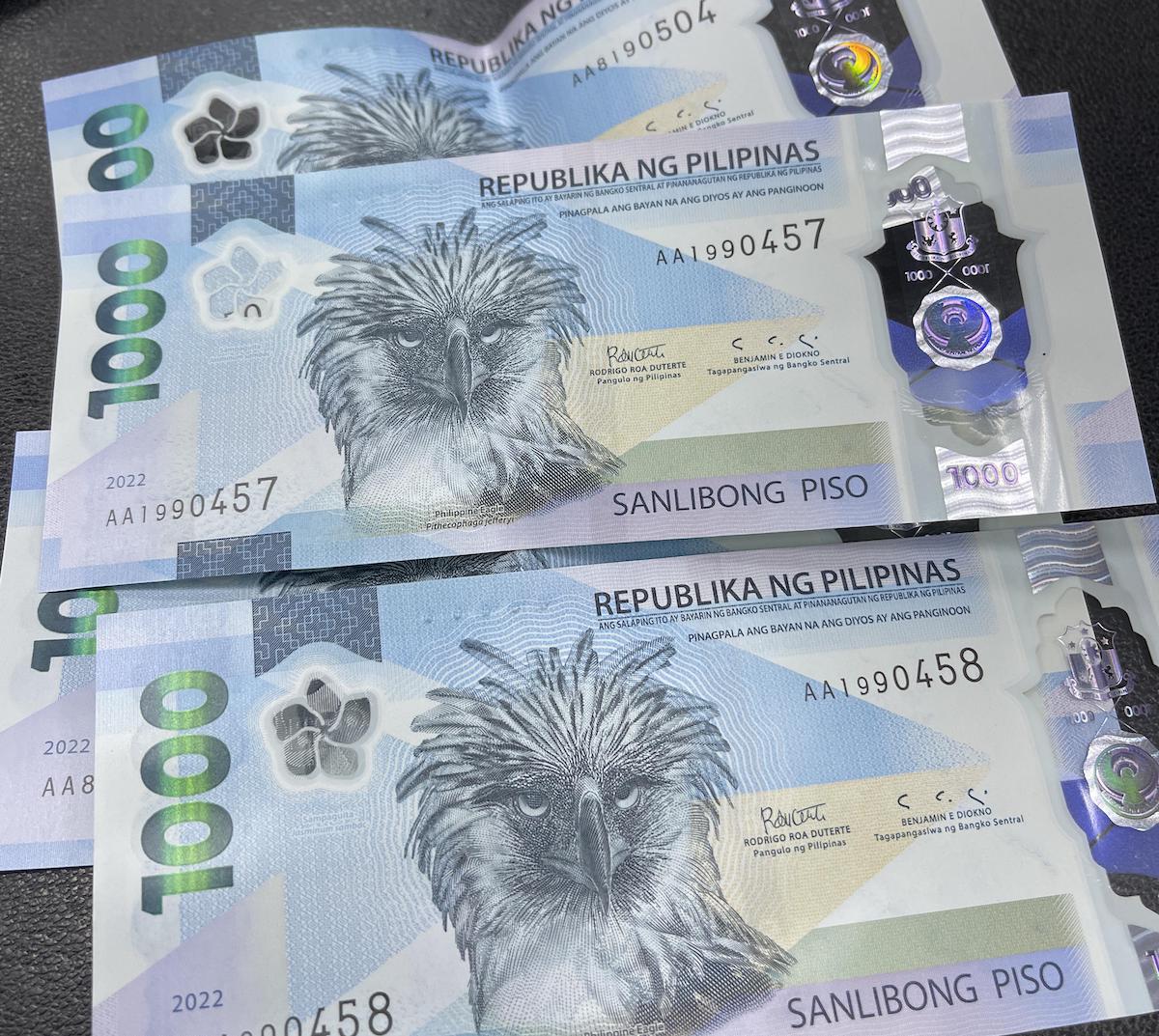
It is important to note that refusing to accept folded polymer banknotes is illegal, and businesses and individuals who do so can face hefty fines and even imprisonment. The Philippine Retailers Association (PRA) has also joined the initiative and is informing its members to accept folded P1,000 bills, just like any other valid currency.
While folded polymer banknotes are still legal tender, the BSP advises everyone to handle them with care. Although they are more durable than paper money, it is best to avoid writing on them or ironing them to remove creases.
The BSP’s handling guidelines for P1,000 polymer banknotes are as follows:
- Folding the bill does not affect its value, and it should still be accepted as legal tender.
- Refusing to accept folded polymer banknotes is illegal.
- Reporting any incidents involving folded polymer banknotes is easier, and individuals can report such incidents to the BSP, the LTFRB, or the DTI.
- Care should be taken when handling polymer banknotes to avoid damaging them.
- Writing on or ironing polymer banknotes to remove creases should be avoided.
The BSP also reminds everyone that mutilating, defacing, marking, tearing, or otherwise damaging currency notes and coins issued by the BSP is illegal under Presidential Decree 247.
Frequently Asked Questions
Table of Contents
What are the Guidelines for the Acceptability of Folded 1000 Peso Bills?
According to the Bangko Sentral ng Pilipinas (BSP), folded polymer banknotes must still be accepted as legal tender. However, the BSP encourages the public to handle the new P1000 polymer banknotes with care to extend their lifespan. The BSP recommends the following guidelines for the acceptability of folded 1000 peso bills:
- Simple or light folding of a new P1000 polymer banknote should still be allowed in day-to-day transactions as folds would typically not be able to break the fiber.
- Do not staple, crumple, crease, or fold the bills excessively as this may damage the banknote and affect its security features.
- Banks and retailers should still accept folded polymer banknotes as they do not meet the criteria for being considered mutilated or unfit for circulation.
How Does the Serial Number Affect the Legality of a 1000 Peso Bill?
The serial number on a 1000 peso bill does not affect its legality as long as it is genuine and not counterfeit. The serial number is a unique identifier that helps the BSP track the circulation and authenticity of banknotes. However, the BSP does not require a specific serial number prefix or suffix for a banknote to be considered legal tender.
What are the Differences Between the New Polymer 1000 Peso Bill and the Old Paper Version?
The new P1000 polymer banknotes were introduced by the BSP in 2022 to replace the old paper version. The new banknotes are made of a polymer substrate that is more durable, secure, and eco-friendly than paper. The new banknotes also feature enhanced security features such as a windowed security thread, optically variable ink, and tactile marks for the visually impaired. The old paper version of the 1000 peso bill is still considered legal tender but may not be as durable or secure as the new polymer version.
What Constitutes an Excessively Folded Bill, and is it Still Considered Legal Tender?
An excessively folded bill is one that has been folded, creased, crumpled, or stapled to the point where it is mutilated or unfit for circulation. The BSP considers a banknote to be mutilated if it is torn, taped, stained, or has missing parts that affect its genuineness or value. An excessively folded bill may still be considered legal tender if it is not mutilated and can still be authenticated as genuine.
How is the Value of an Old 1000 Peso Bill Determined?
The value of an old 1000 peso bill is determined by its face value, condition, rarity, and demand among collectors. The BSP does not provide a buyback or redemption program for old banknotes but may exchange them for new banknotes subject to certain conditions. Collectors and dealers may offer to buy old banknotes at a premium depending on their condition and rarity.
Are There Any Special Handling Rules for the New 1000 Peso Bills in the Philippines?
The BSP recommends the following special handling rules for the new P1000 polymer banknotes:
- Handle the banknotes with clean and dry hands to avoid soiling or damaging them.
- Do not expose the banknotes to direct sunlight, heat, or chemicals as this may cause fading or discoloration.
- Store the banknotes in a cool and dry place with low humidity to prevent moisture damage.
- Do not iron, wash, or fold the banknotes excessively as this may damage the banknote and affect its security features.
Follow us on Facebook and Twitter.
Read: Review: Maison Francis Kurkdjian Baccarat Rouge 540 EDP


