Markus Castro
Must-Know: 10 Herbal Medicines Approved by the DOH
Table of Contents
In the Philippines, traditional healing practices have long been an essential part of everyday life, especially in rural communities where access to modern healthcare may be limited. Recognizing the importance of these time-tested remedies, the Department of Health (Philippines) has carefully evaluated and endorsed a list of herbal medicines that are both safe and effective when used properly. These plants are backed not only by generations of use but also by scientific validation, making them reliable complementary treatments for common health concerns.
What makes these herbal medicines especially valuable is their accessibility—they can often be grown in home gardens or found in local markets. They empower individuals and families to take a more active role in their health while staying connected to Filipino traditions. Below is a more detailed look at each of the 10 DOH-approved herbal medicines and how they contribute to everyday wellness.
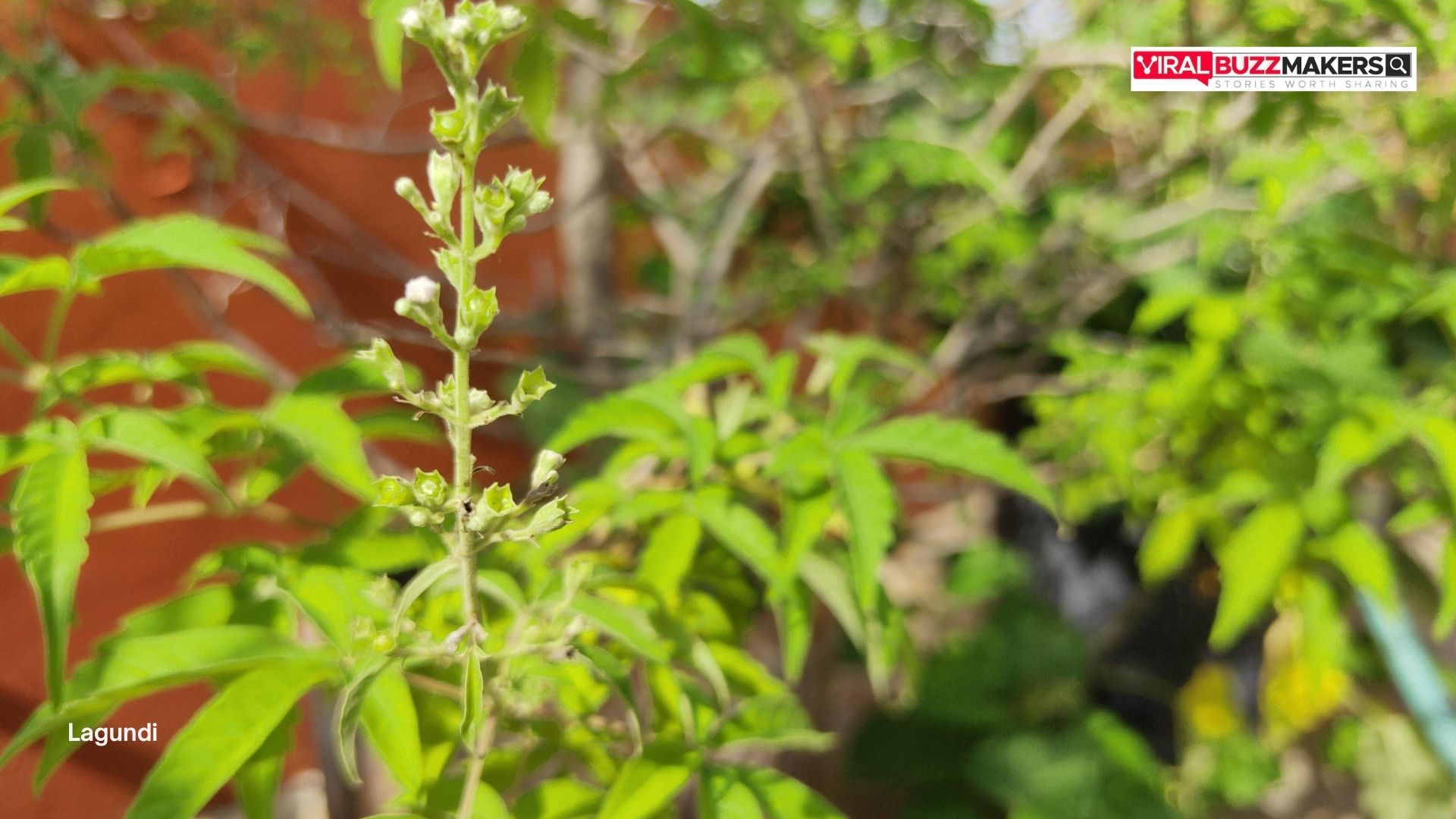
1. Lagundi (Vitex negundo)
Best for: Cough, asthma, fever
Lagundi is widely regarded as one of the most important herbal medicines in the Philippines, known for its effectiveness in treating respiratory conditions. Its leaves contain compounds that act as bronchodilators, helping to open airways and make breathing easier for individuals suffering from asthma or chronic cough. It also has anti-inflammatory and antipyretic properties, making it useful in reducing fever.
Traditionally, lagundi leaves are boiled and consumed as a decoction, though today they are also available as syrups, tablets, and capsules approved by health authorities. It is especially popular among parents as a natural alternative for children with mild respiratory issues. Regular use can help loosen phlegm and soothe throat irritation.
Despite its benefits, proper dosage is important, particularly for children and pregnant women. While generally safe, it should still be used under guidance when taken for prolonged periods. Lagundi represents how a simple backyard plant can provide powerful relief when used correctly.
2. Sambong (Blumea balsamifera)

Best for: Kidney stones, urinary issues
Sambong is best known for promoting kidney health. It acts as a natural diuretic, increasing urine production and helping flush out toxins from the body. This makes it particularly effective for preventing and managing kidney stones, as it aids in dissolving small stones and helps prevent their formation.
The leaves are typically prepared as tea, and regular consumption can support urinary tract function and reduce fluid retention. Sambong is also used to manage mild hypertension because of its ability to regulate fluid balance in the body.
Another advantage of sambong is its accessibility—it grows abundantly in many parts of the Philippines. However, individuals with severe kidney conditions should consult a doctor before using it, as it is intended for mild to moderate cases only.
Its inclusion in the DOH list highlights its importance as a preventive and supportive herbal remedy for kidney and urinary health.
3. Tsaang Gubat (Ehretia microphylla)
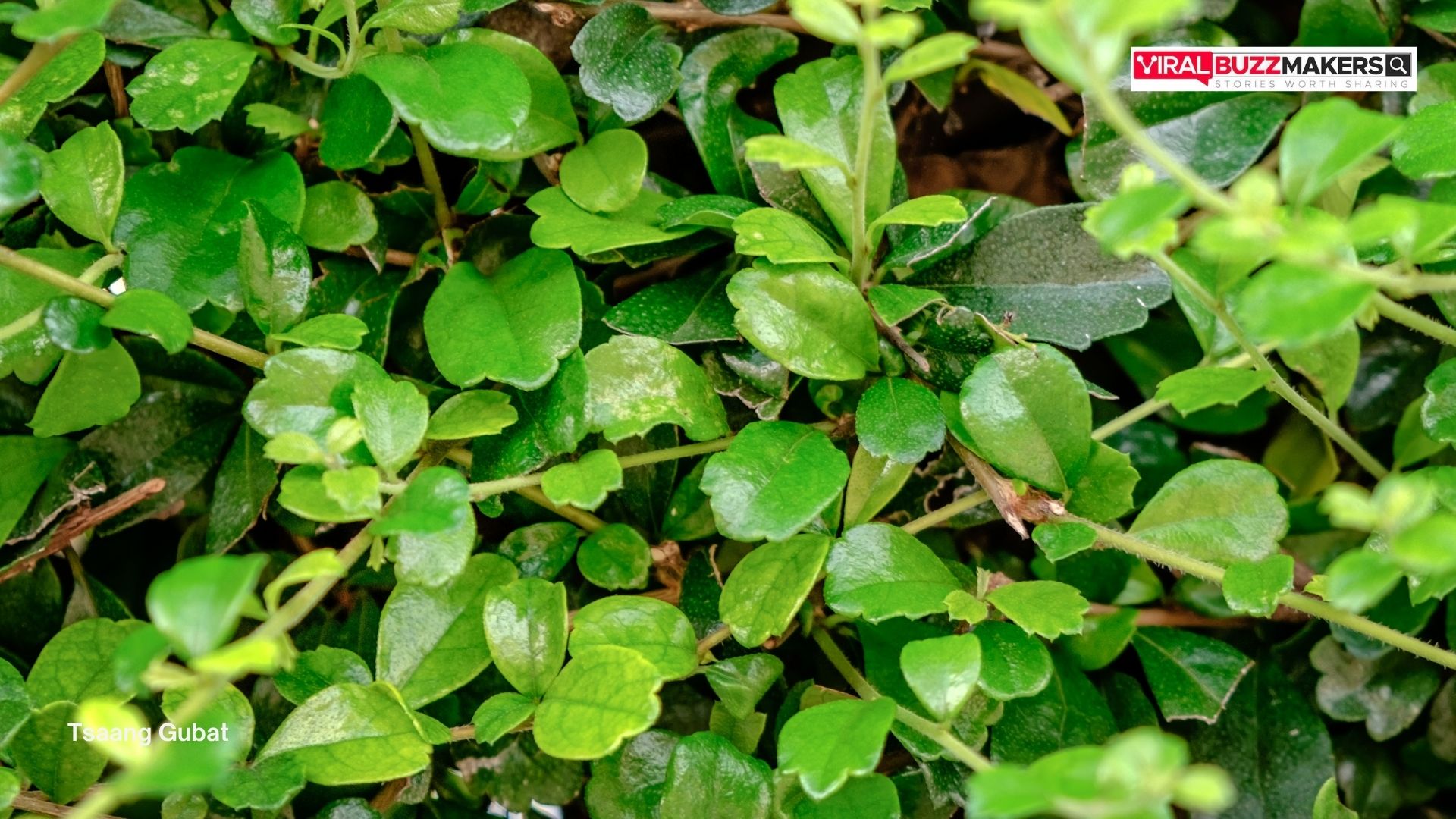
Best for: Stomachache, diarrhea
Tsaang gubat is a popular herbal remedy for digestive problems, particularly in relieving stomach pain and diarrhea. Its leaves contain compounds with antispasmodic and antimicrobial properties, which help relax the muscles of the gastrointestinal tract and reduce the frequency of bowel movements.
It is commonly prepared as a tea, making it easy to consume and gentle on the stomach. Many Filipinos turn to tsaang gubat as a first-line remedy for minor digestive discomfort before seeking medical treatment.
Aside from its medicinal uses, it is also valued as a general wellness drink due to its mild flavor and soothing effects. However, it should not replace oral rehydration therapy in severe cases of diarrhea, especially in children.
Tsaang gubat reflects the practicality of herbal medicine—simple, effective, and deeply rooted in Filipino daily life.
4. Niyog-niyogan (Quisqualis indica)

Best for: Intestinal worms
Niyog-niyogan is a traditional herbal medicine used as a natural deworming agent. Its seeds contain compounds that are toxic to intestinal parasites, making it effective in expelling worms from the digestive system.
The seeds are usually eaten directly, but precise dosage is crucial to ensure safety and effectiveness. Overconsumption can lead to side effects such as hiccups, nausea, or abdominal discomfort. Because of this, it is important to follow recommended guidelines or consult a healthcare provider before use.
This herbal remedy is especially useful in communities where access to pharmaceutical deworming treatments may be limited. However, it is not recommended for very young children without proper supervision.
Niyog-niyogan demonstrates how traditional knowledge can address common health issues like parasitic infections in a natural and accessible way.
5. Bayabas (Psidium guajava)
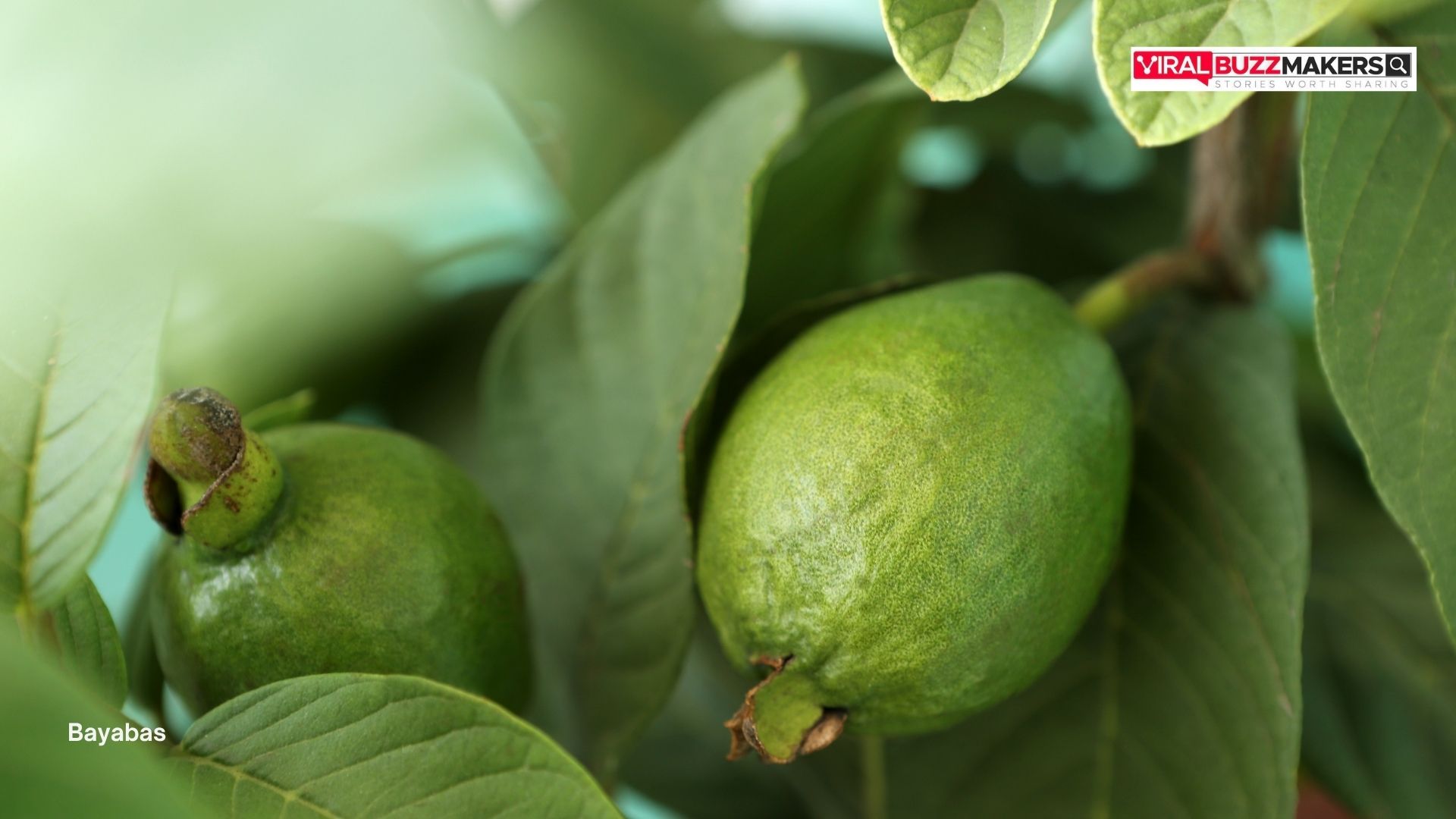
Best for: Wound care, antiseptic
Bayabas leaves are widely used for their strong antibacterial and antiseptic properties. When boiled, the leaves produce a solution that can be used to clean wounds, helping prevent infection and promote faster healing. It is also commonly used as a mouthwash for gum infections and toothaches.
This herbal remedy is especially valued in households as a first-aid solution due to its effectiveness and ease of preparation. In many cases, it serves as a natural alternative to commercial antiseptics.
Aside from external use, guava leaves are sometimes consumed as tea for digestive health. However, its primary DOH-approved use remains topical application for wound care.
Bayabas highlights the versatility of herbal medicine, proving that one plant can serve multiple health purposes when used correctly.
6. Ampalaya (Momordica charantia)
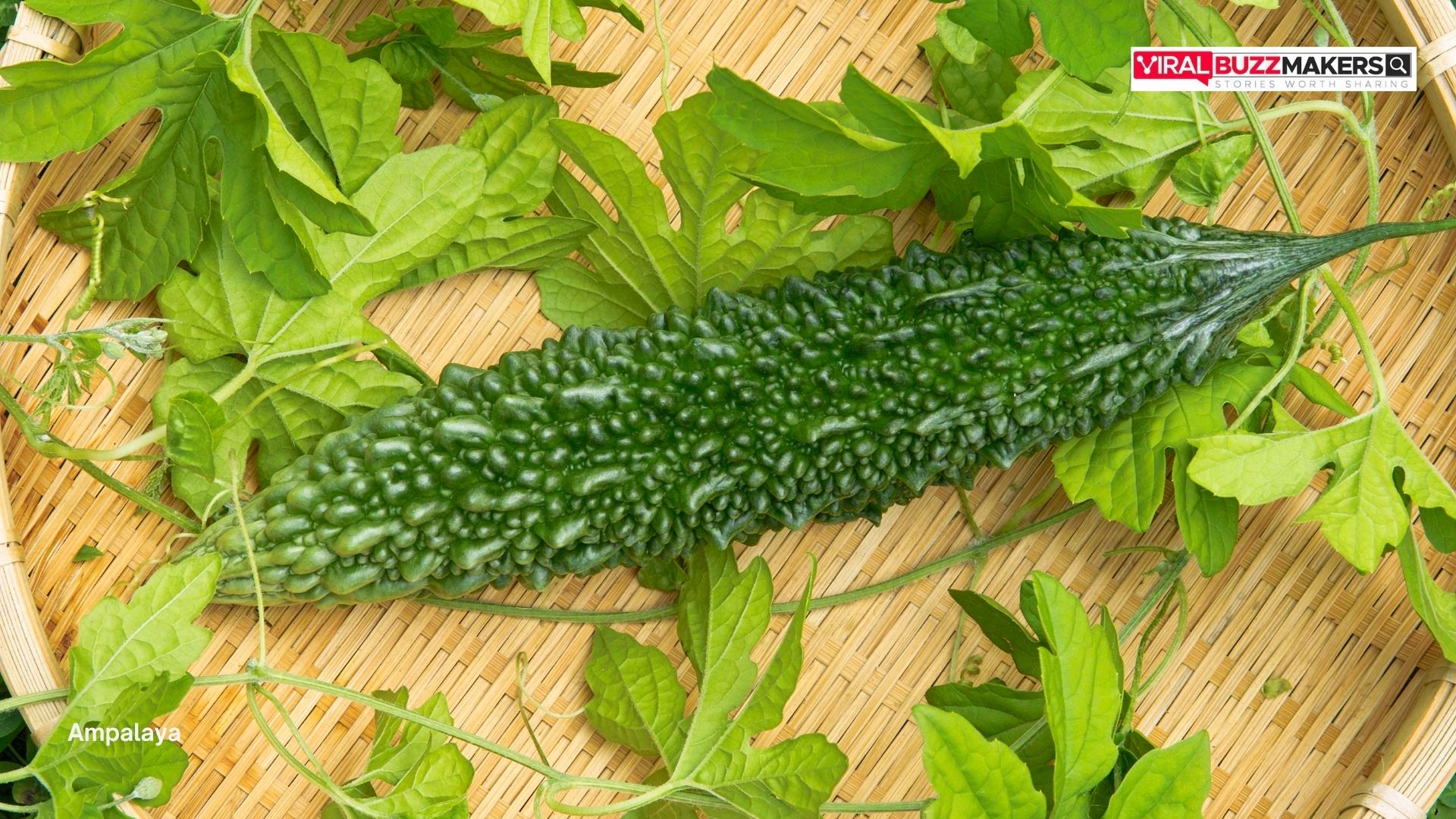
Best for: Blood sugar control
Ampalaya is well known for its role in managing blood sugar levels, making it beneficial for individuals with type 2 diabetes. It contains compounds that mimic insulin, helping the body utilize glucose more effectively and reduce blood sugar spikes.
It can be consumed as a vegetable, in juice form, or in capsule form. While its bitter taste may not appeal to everyone, its health benefits have made it a staple in many Filipino diets.
Despite its effectiveness, ampalaya should be used with caution, especially when combined with prescribed diabetes medications, as it may lead to excessively low blood sugar levels.
Its recognition by the DOH underscores its importance as a natural aid in managing a growing health concern in the country.
7. Yerba Buena (Mentha cordifolia)
Best for: Pain relief
Yerba buena is a well-known herbal analgesic used to relieve various types of pain, including headaches, toothaches, and body aches. It contains menthol, which provides a cooling sensation and helps relax muscles and reduce discomfort.
The leaves can be crushed and applied directly to the affected area or prepared as a tea for internal relief. It is also commonly used in aromatherapy for its calming effects.
Because of its mild yet effective action, yerba buena is often used as a first remedy for minor pains. However, persistent or severe pain should still be evaluated by a medical professional.
This herb demonstrates how natural remedies can provide immediate and accessible relief for everyday discomfort.
8. Ulasimang Bato / Pansit-Pansitan (Peperomia pellucida)
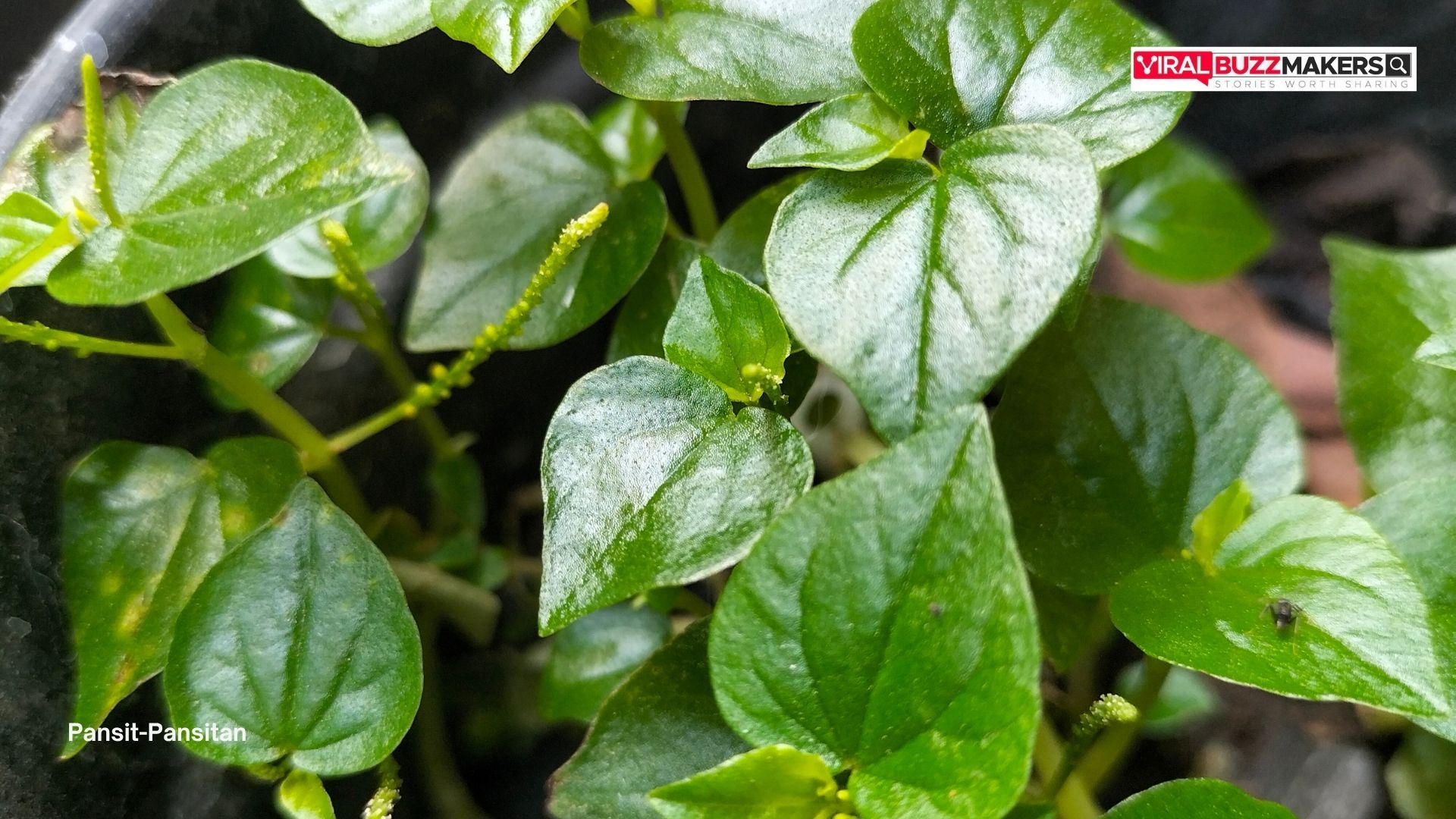
Best for: Gout, arthritis
Ulasimang bato is commonly used to manage gout and arthritis by helping reduce uric acid levels in the body. It has anti-inflammatory properties that can help ease joint pain and swelling, making it beneficial for individuals with chronic joint conditions.
This plant is often eaten fresh as a salad or prepared as a decoction. Its mild taste and high water content make it easy to incorporate into the diet.
While it is effective as a supportive treatment, it should not replace prescribed medications for severe cases. Regular monitoring of uric acid levels is still important.
Its growing popularity highlights the increasing interest in natural approaches to managing chronic conditions.
9. Akapulko (Cassia alata)
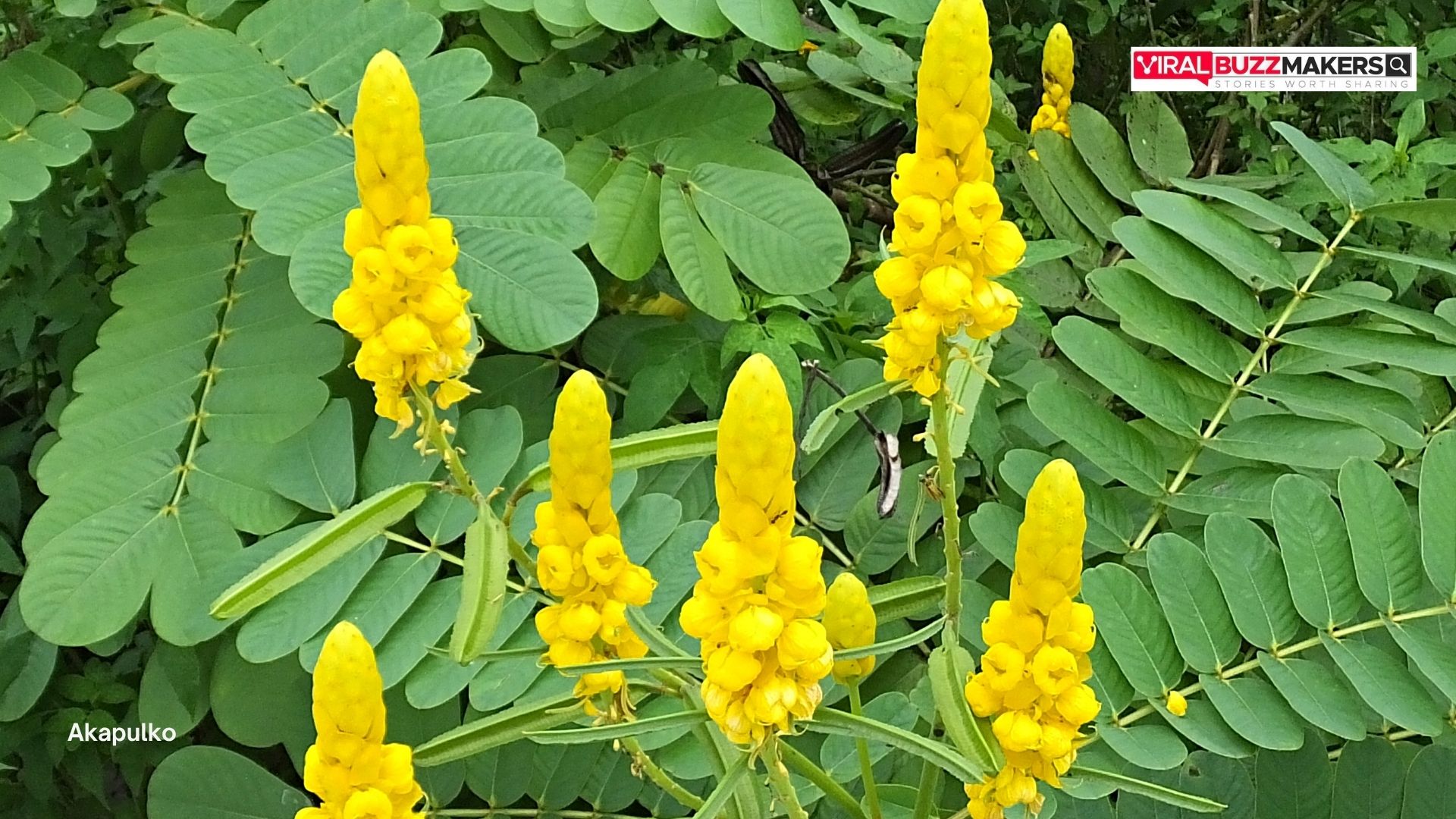
Best for: Fungal infections
Akapulko is widely used to treat fungal skin infections such as ringworm, athlete’s foot, and eczema. Its leaves contain antifungal compounds that effectively inhibit fungal growth on the skin.
The leaves are typically crushed and applied directly to the affected area or used as an ingredient in topical ointments. Regular application is necessary to achieve the best results.
It is a cost-effective and natural alternative to commercial antifungal creams, especially in areas where such products may not be readily available.
Akapulko’s effectiveness has made it a staple in herbal medicine for skin care.
10. Bawang (Allium sativum)
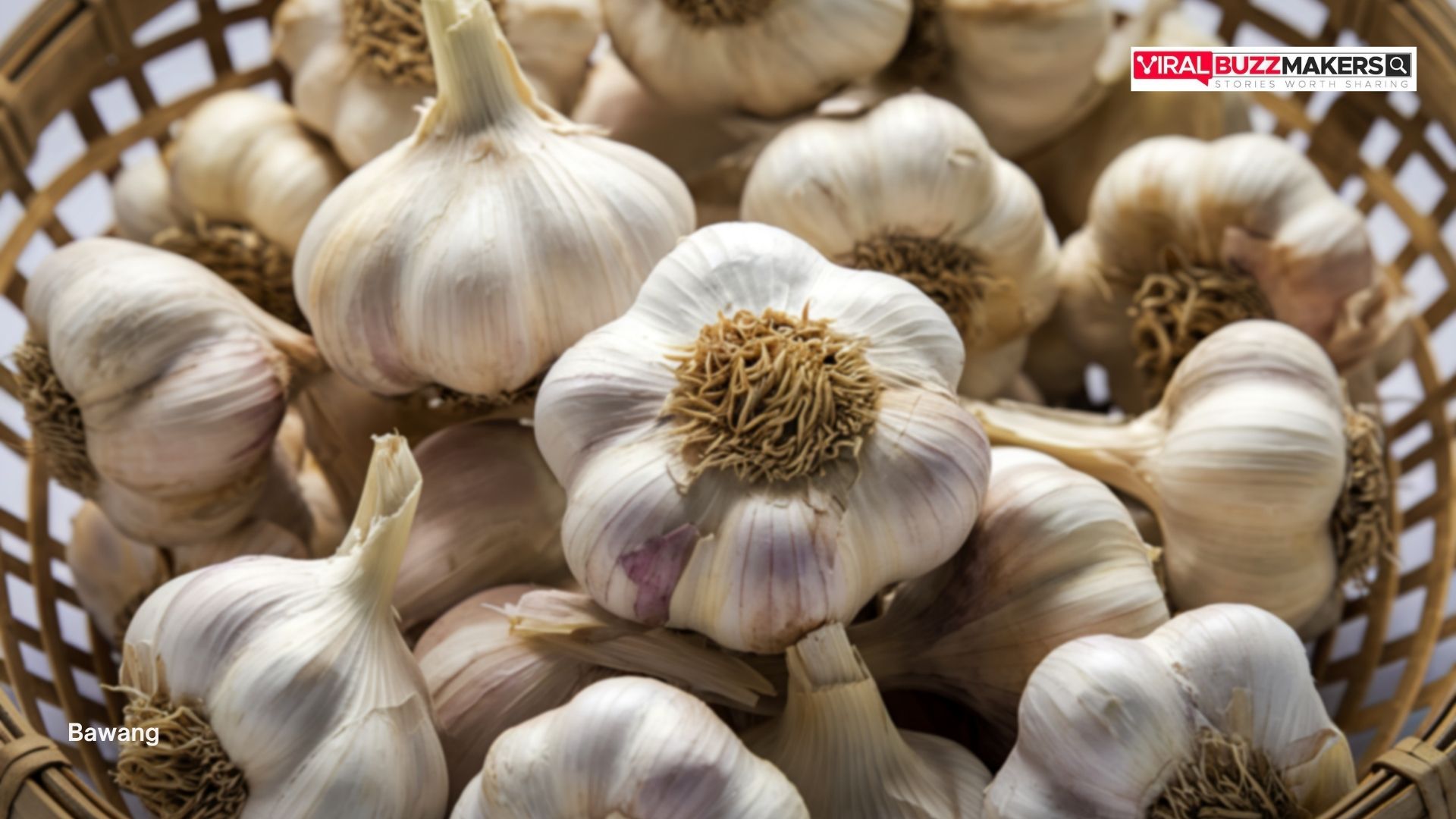
Best for: Heart health
Bawang, or garlic, is not only a common kitchen ingredient but also a powerful medicinal plant. It is known for its ability to lower blood pressure, reduce cholesterol levels, and improve overall cardiovascular health.
Garlic contains allicin, a compound responsible for its many health benefits. Regular consumption can help prevent heart disease and improve circulation.
It can be eaten raw, cooked, or taken as a supplement. However, excessive intake may cause stomach irritation or interact with certain medications, such as blood thinners.
Bawang’s dual role as both food and medicine makes it one of the most versatile and valuable herbal remedies.
Conclusion
The 10 DOH-approved herbal medicines reflect the Philippines’ deep-rooted connection to nature and traditional healing. These plants offer practical, affordable, and effective ways to manage common health concerns while preserving cultural heritage.
However, responsible use is key. Herbal medicines should be taken with proper knowledge, correct preparation, and awareness of their limitations. They are best used as complementary remedies rather than replacements for professional medical care.
By embracing these natural resources wisely, we not only improve our health but also honor generations of Filipino knowledge that continue to thrive in modern times.
Disclaimer: This article is for informational purposes only and should not replace professional medical advice. Always consult your healthcare provider before starting any herbal supplement to confirm it is safe and suitable for your health.
Follow us on Facebook and Twitter.
Read: How Fish and Omega-3s Can Lower Your Cholesterol Naturally