Markus Castro
A National Treasure: The National Museum Of Natural History
Table of Contents
The National Museum of Natural History is one of the most popular attractions for everyone who wants to learn more about the Philippines’ rich biological and ecological biodiversity. Its massive collection beautifully depicts our country’s unique natural history.
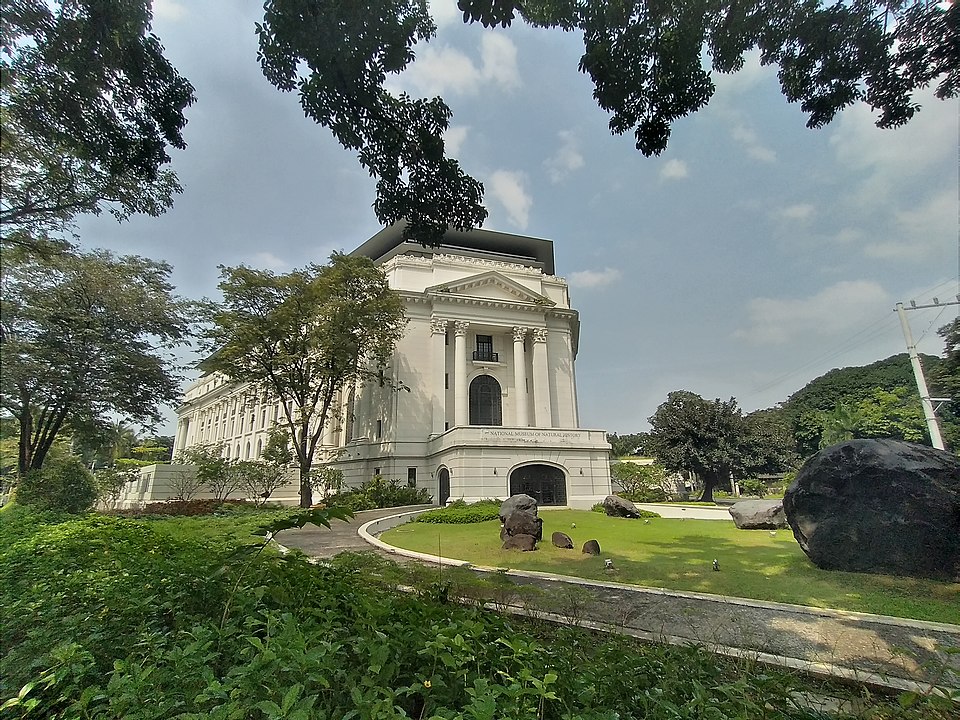
Like any building in Manila, the National Museum of Natural History has witnessed some of the most tragic moments in Philippine history. The building was constructed in 1940 as the Agriculture and Commerce Building. It was known to have an imposing facade featuring gigantic Corinthian columns and a grand staircase. It is said that the building had an identical twin during that time, which was the Finance Building.
When the fateful events of World War II struck our country, the National Museum of Natural History’s old building was one of the most damaged structures during the war. In February 1945, the American forces bombarded the building with heavy artillery for three (3) straight days. They targeted the blasts on the ground floor of the building to pulverize the lower sections until the second floor just collapsed onto the ground. Years later, the building became part of the government’s post-war rehabilitation program.
There has also been a time when the building was used as an office of the Department of Tourism. However, it was in 2013 that the rehabilitation program intended to transform the building into something more functional and more fitting to its historical value. Thanks to the government’s unwavering efforts, the building opened its doors to the public on June 28, 2016, as the new National Museum of Natural History venue. What was once an old and frail building became a modern architectural wonder that houses some of the Philippines’ most beautiful botanical, geological, and zoological collections.
As we all know, the Philippines is one of the most blessed tropical countries in the world. We have countless natural wonders that are truly breathtaking. From our majestic mountain ridges, mesmerizing waterfalls, sparkling rivers, thriving forest ecosystems, and world-class beaches, there are many things to be proud of in our country’s natural history. The Philippines is also known to possess remarkably thriving wildlife where a few rare species of animals can be found, such as the Philippine Eagle, Tarsier, the Philippine Crocodile, and a whole lot more!
Well, I’m sure that once you visit the National Museum of Natural History, you will learn a lot of things and have fun simultaneously!
Attractions
The National Museum of Natural History is home to 12 permanent galleries that feature the rich geological and biological diversity of the Philippines. To guide you better on what things to expect during your memorable visit to the museum, here are some of the must-see attractions of the National Museum of Natural History.
The Tree of Life
The museum’s center of attraction is no other than the famous Tree of Life. It is situated at the very center of the National Museum of Natural History. This amazing structure is said to proudly connect all of the thriving ecosystems in the entire country. Everything. From our majestic mountain ridges, evergreen forests, thriving tropical islands, and stunning marine and coral reefs. It is a humongous structure that’s worth seeing. I wouldn’t miss it if I were you!
The Zoology Division
Back then, each National Museum of the Philippines’ division had its own space and building to display its stunning collections. But after the fateful events of World War II happened and the amazing transformation of the National Museum of Natural History took place in 2016, some divisions were grouped.
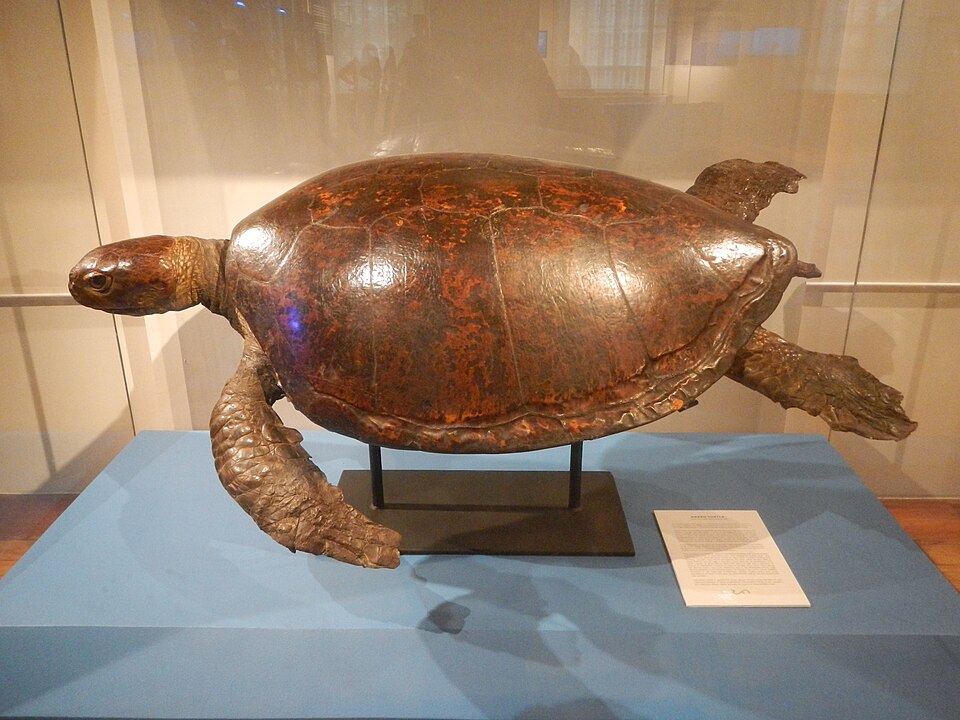
If you’re coming to visit the National Museum of Natural History, it’s a must that you try and explore the Zoology Division. This division houses an enormous collection of the entire animal kingdom of the Philippines. Common Species, Rare Species, Birds, Fishes, Crustaceans, Mammals, Corals, and Insects are all in the Zoology Division.
This is also where you can learn more about some of the country’s most important animal species, such as the Endemic Species and Red List Species, which pertain to animals at a high risk of extinction.
The Botany Division
Another key attraction and museum collection you shouldn’t miss is the Botany Division. Of course, there’s also a gallery where you can witness one of the Philippines’ grandest collections of plant species. Feel free to be in awe of the Botany Division’s Algal, Angiosperms, Bryophytes, and Gymnosperm Collections.
The division also features the Endemic and Fungal Species of the Philippines’ rich botanical biodiversity.
Operating Hours
The National Museum of Natural History is open from Tuesdays to Sundays from 10 AM to 5 PM. The museum doesn’t employ a lunch break in between the morning and afternoon sessions so feel free to maximize your time! Also, take note that the holidays affect the operating hours of the National Museum of Natural History.
You should book an online reservation to explore the museum conveniently and easily. This way, you’ll get to plan your tours ahead of time and maybe visit other nearby museums, too! To access the online reservation form of the National Museum of the Philippines, click here!
Ticket Prices
Admission Fees to explore the National Museum of Natural History have been permanently declared free of charge by the national government. Whether you’re a Filipino or a foreigner, you can freely access the museum and explore the amazing works of our famous Filipino artists. The idea is to promote our country’s rich culture and history and to spark interest from all the incoming visitors, especially children.
Best Time to Visit
The National Museum of Natural History opens its doors to visitors at 10 in the morning. I’d recommend that you start exploring the museum as early as the opening time so that you’ll be able to maximize your tour. The museum has 12 permanent galleries, and going through them would take a considerable amount of time.
Moreover, it’s always better to be early! This way, you’d still have plenty of free time to explore other educational attractions around the beautiful City of Manila, such as Rizal Park, Manila Ocean Park, or even watch the mesmerizing sunset on Manila Bay!
How to get there
The museum is located at P. Burgos Drive, Rizal Park, Manila. Accessing the National Museum of Natural History is an easy task because almost everyone around the area knows where it is. Once you reach the National Museum of the Philippines landmark in Manila City, ask the guards where the museum is, and you’re good to go!
Moreover, countless routes traverse the museum, so I’m sure you’ll easily spot it. Moreover, if you’re traveling by private car, it’s more likely that you’ll be able to reach it faster with the assistance of online travel guides such as Waze and Google Maps. Finally, there are also many options to reach the National Museum of Natural History because jeepney, bus, and train routes pass through the museum’s location.
Follow us on Facebook and Twitter.
Read: 12 Best Places to Visit in Canada