

 Markus Castro
Early Diabetes Symptoms: A Practical Health Guide for Filipino Families
Table of Contents
Frequent trips to the bathroom, constant thirst, unexplained weight loss, and feeling exhausted even after a full night’s sleep may seem like ordinary problems. However, these changes can signal diabetes, a chronic condition that affects how the body regulates blood sugar.
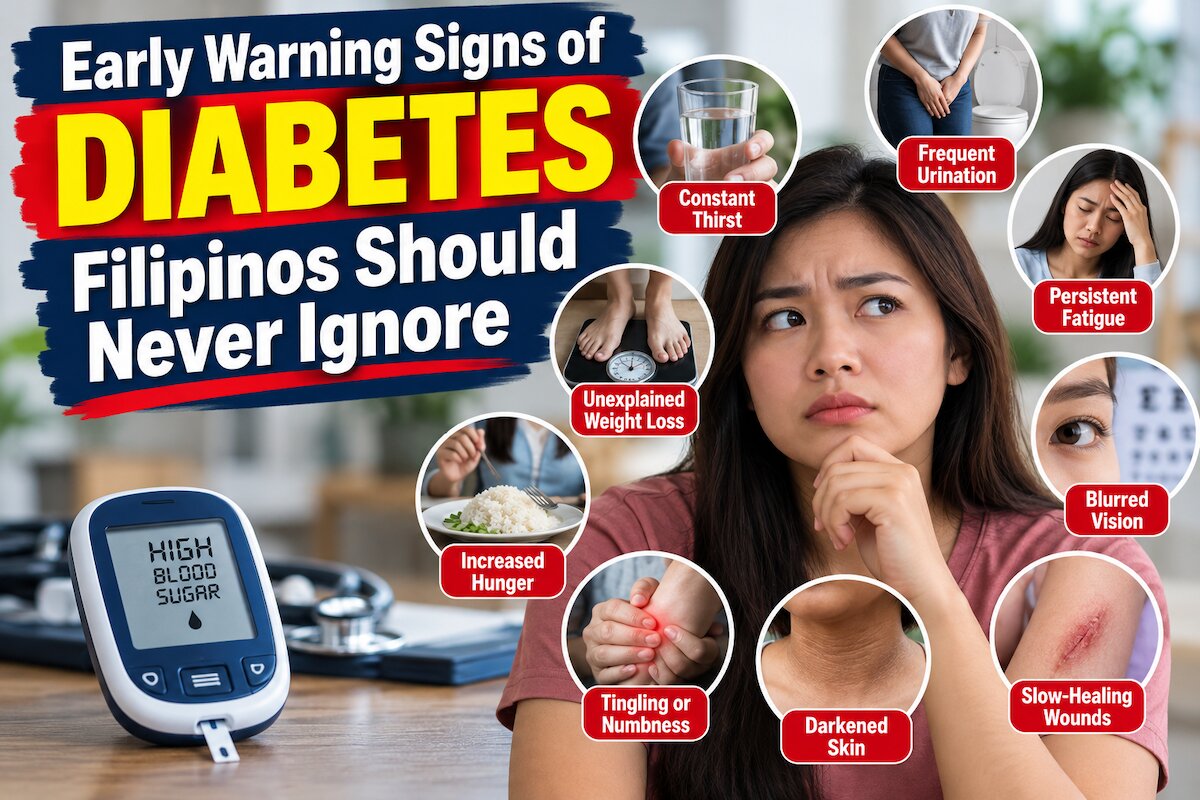
For many Filipinos, the challenge is recognizing the symptoms before complications develop. Long workdays, irregular meals, limited physical activity, and a family history of diabetes can make it easy to overlook health concerns. Some people assume that feeling tired comes from work or that excessive thirst is simply a result of the tropical climate.
The reality is that type 2 diabetes can develop gradually, and some people have no noticeable symptoms at all. A blood test may reveal elevated blood sugar even when a person feels perfectly healthy. Early detection gives you an opportunity to seek treatment and reduce the risk of complications affecting your heart, eyes, kidneys, nerves, and feet.
Here are the early warning signs Filipinos should know, when to seek medical attention, and what you can do to protect your health.
What Is Diabetes, and Why Does Early Detection Matter?
Diabetes is a chronic condition in which blood glucose, commonly called blood sugar, becomes too high. This happens when the body does not produce enough insulin or cannot use insulin effectively. Insulin helps glucose move from the bloodstream into cells, where the body uses it for energy.
The three main types are type 1 diabetes, type 2 diabetes, and gestational diabetes, which develops during pregnancy. Type 2 diabetes is particularly important to recognize because symptoms can remain mild or unnoticed for years.
Over time, uncontrolled high blood sugar can damage blood vessels and nerves. It can increase the risk of heart disease, stroke, kidney disease, vision loss, and foot complications.
Early diagnosis helps people receive appropriate treatment, make practical lifestyle changes, and monitor their health before serious problems develop.
10 Early Warning Signs of Diabetes Filipinos Should Never Ignore
1. Frequent Urination, Especially at Night
Do you find yourself going to the bathroom more often than usual? Frequent urination, medically known as polyuria, is one of the classic warning signs of diabetes.
When blood glucose rises beyond the kidneys’ ability to reabsorb it, excess glucose passes into the urine and draws water with it. This increases urine production and can cause repeated bathroom visits throughout the day or night.
You might notice that you wake up several times to urinate, even when you have not significantly increased your fluid intake. Although drinking more water, consuming caffeine, and taking certain medications can also increase urination, persistent changes deserve attention.
If frequent urination occurs alongside excessive thirst, fatigue, or unexplained weight loss, arrange a medical consultation. A healthcare professional can determine whether blood glucose testing is appropriate.
2. Constant Thirst and a Dry Mouth
Feeling thirsty after exercise or spending time outdoors in hot weather is normal. However, persistent thirst that does not improve after drinking water may indicate elevated blood sugar.
Excessive urination causes the body to lose more fluid, prompting you to drink more frequently. You may carry a water bottle everywhere, wake up thirsty at night, or experience a dry mouth throughout the day.
In the Philippines, where warm weather and outdoor commuting can increase fluid needs, it is important to distinguish ordinary thirst from an ongoing change in your usual habits.
Pay attention if you feel unusually thirsty despite drinking enough fluids, particularly when frequent urination occurs at the same time.
Do not try to manage persistent symptoms by simply drinking more water and waiting for them to disappear. Arrange a medical assessment and ask whether a blood glucose test is necessary.
3. Feeling Tired Even After Resting
Persistent fatigue is another possible warning sign of diabetes. You might feel exhausted after a normal workday, struggle to concentrate during meetings, or wake up tired despite getting adequate sleep.
When insulin does not work effectively, glucose may not enter the body’s cells efficiently. High blood sugar and related fluid loss can contribute to fatigue.
For Filipino workers who commute long distances, manage demanding schedules, or balance work with family responsibilities, tiredness can be easy to dismiss. Sleep deprivation, anemia, thyroid disorders, infections, and other conditions can also cause fatigue, so it is important not to assume diabetes is the only explanation.
If unusual tiredness persists, especially when accompanied by thirst, frequent urination, or blurred vision, consult a healthcare professional. A medical assessment can help identify the cause and determine whether blood sugar testing is needed.
4. Unexplained Weight Loss
Losing weight without changing your diet or exercise routine may be a warning sign of diabetes, particularly when the loss happens over a relatively short period.
When the body cannot use glucose properly, it may begin breaking down stored fat and muscle for energy. Excess glucose can also leave the body through urine, contributing to weight loss.
You may notice that your clothes become looser or your weight drops even though your appetite remains the same or increases.
Do not automatically celebrate unexpected weight loss as progress toward a healthier body. Unintentional weight loss can result from several medical conditions, including diabetes, thyroid problems, digestive disorders, and other illnesses.
Arrange a medical assessment if you lose weight without trying. Seek prompt evaluation if the weight loss occurs alongside intense thirst, frequent urination, weakness, nausea, or vomiting.
5. Increased Hunger Despite Eating Regular Meals
Feeling hungry after a long day or strenuous activity is normal. Persistent hunger despite eating enough food, however, can sometimes accompany diabetes.
When the body cannot use insulin effectively, glucose may remain in the bloodstream instead of being used properly by cells. This can interfere with normal energy regulation and contribute to increased hunger.
You might feel hungry shortly after eating, snack more frequently than usual, or notice that your appetite has increased without a clear explanation.
Increased hunger alone does not establish that you have diabetes. Changes in activity, sleep, medication, and other health conditions can also affect appetite.
Pay attention when persistent hunger occurs together with unexplained weight loss, excessive thirst, frequent urination, or fatigue. These symptoms warrant medical assessment and may indicate a need for blood glucose testing.
6. Blurred Vision
Have you noticed that your vision occasionally becomes blurry, making it difficult to read messages on your phone or focus on road signs?
High blood sugar can affect the fluid balance in the eye and temporarily change the shape of the lens, leading to blurred vision. Some people notice fluctuating vision before they receive a diabetes diagnosis.
Do not assume you simply need new eyeglasses if the change occurs alongside other possible diabetes symptoms. An eye examination may help identify vision problems, but blood glucose testing may also be necessary.
Persistent or recurring blurred vision deserves medical attention. Sudden vision loss, a sudden shower of new floaters, or a curtain-like shadow across your vision requires urgent eye assessment.
Early detection and proper diabetes management can reduce the risk of long-term damage to the blood vessels in the retina.
7. Cuts and Wounds That Heal Slowly
A small cut, blister, or scrape should gradually improve. If wounds take unusually long to heal, become infected repeatedly, or seem to worsen instead of improving, elevated blood sugar could be one possible explanation.
High blood glucose can impair normal immune function and circulation. Over time, diabetes may also damage nerves, making injuries harder to notice, particularly on the feet.
This matters for people who spend long hours standing, walk extensively during their commute, or wear footwear that causes blisters.
Check your feet regularly and keep wounds clean. Seek medical care for wounds that fail to improve, show spreading redness, become swollen, produce pus, or develop increasing pain.
If you have diabetes or suspect you may have it, do not ignore foot injuries. Early treatment can help prevent infections from becoming more serious.
8. Tingling or Numbness in the Hands and Feet
A persistent pins-and-needles sensation in your fingers or toes can have several causes, including nerve compression, vitamin deficiencies, and diabetes.
Over time, elevated blood sugar can damage nerves. This condition, called diabetic neuropathy, may cause tingling, burning, numbness, or reduced sensation, particularly in the feet.
You might notice that your feet feel unusually hot, that you have trouble sensing temperature, or that small injuries go unnoticed.
Nerve symptoms can sometimes develop after blood sugar has been elevated for a long period. Therefore, do not wait for numbness to become severe before seeking medical advice.
A healthcare professional can evaluate the symptoms, check for nerve problems, and determine whether diabetes testing or other investigations are appropriate.
Seek urgent medical attention if numbness begins suddenly, affects one side of the body, or occurs with weakness, facial drooping, or difficulty speaking.
9. Frequent Skin, Urinary Tract, or Yeast Infections
Repeated infections can sometimes be associated with diabetes, especially when blood glucose remains elevated.
You may experience recurring skin infections, urinary tract infections, genital yeast infections, or persistent itching in the genital area. High blood sugar can interfere with the body’s ability to fight infections and may create conditions that encourage certain microorganisms to grow.
These problems can also occur in people who do not have diabetes. Their presence alone is not enough to diagnose the condition.
If infections keep returning despite appropriate treatment, discuss the pattern with your healthcare provider. Mention any other changes, including increased thirst, frequent urination, fatigue, or slow-healing wounds.
Identifying the underlying cause matters because repeated treatment of individual infections may not address a condition contributing to the problem.
10. Dark, Thickened Skin Around the Neck or Armpits
Dark, velvety patches around the neck, armpits, or groin may be a condition called acanthosis nigricans. It can be associated with insulin resistance, a state in which the body’s cells respond less effectively to insulin.
Insulin resistance can increase the risk of developing type 2 diabetes. The skin changes may appear gradually and are sometimes mistaken for dirt or poor hygiene.
Scrubbing the affected area aggressively will not resolve the underlying cause and may irritate the skin.
If you notice new, unexplained dark patches, arrange a medical assessment. A healthcare professional can examine the skin, consider other possible causes, and assess whether diabetes or prediabetes screening is appropriate.
This sign is not proof of diabetes, but it can be a useful reason to review your metabolic health, particularly if you have other risk factors.
Can You Have Diabetes Without Symptoms?
Yes. Many people with type 2 diabetes do not notice obvious symptoms, particularly during the early stages. Some discover the condition only when they undergo routine blood tests or seek medical attention for another problem.
This is why waiting until you feel unwell is not a reliable screening strategy.
Consider discussing diabetes screening with your healthcare provider if you have a family history of diabetes, excess weight, high blood pressure, a history of gestational diabetes, or other risk factors.
Philippine clinical guidance supports the use of fasting plasma glucose and glycated hemoglobin, known as HbA1c, in appropriate screening settings. Your healthcare professional can recommend the test and timing based on your age, medical history, symptoms, and risk profile.
Who Is at Higher Risk of Diabetes in the Philippines?
Diabetes can affect people of different ages and body sizes. However, certain factors can increase the likelihood of developing type 2 diabetes.
These include:
- Family history: Having a parent or sibling with type 2 diabetes increases your risk.
- Excess weight: Particularly when accompanied by increased abdominal fat.
- Physical inactivity: Spending most of the day sitting and getting little regular exercise.
- High blood pressure or abnormal cholesterol: These conditions often occur alongside metabolic problems.
- Previous gestational diabetes: A history of diabetes during pregnancy increases future risk.
- Prediabetes: Blood sugar levels are above normal but below the threshold for diabetes.
- Increasing age: Risk generally increases with age, although younger adults can also develop type 2 diabetes.
Food choices are only one part of the picture. Rice, bread, noodles, and desserts can contribute carbohydrates to a meal, but eating rice does not automatically cause diabetes. Genetics, body weight, physical activity, sleep, and other factors also influence risk.
The goal is to develop sustainable habits rather than blame individual foods or assume that diabetes affects only people who are overweight.
What Tests Can Detect Diabetes Early?
A healthcare professional can recommend blood tests to determine whether you have normal blood glucose, prediabetes, or diabetes.
Fasting Plasma Glucose
This test measures blood sugar after you have fasted for the period instructed by your healthcare provider, commonly at least eight hours.
It is widely used to screen for and diagnose diabetes.
HbA1c Test
The HbA1c test estimates your average blood glucose over approximately the previous two to three months. It does not generally require fasting.
Certain medical conditions can affect how accurately HbA1c reflects blood glucose, so a healthcare professional must interpret the result in context.
Oral Glucose Tolerance Test
This test measures how your body handles glucose after you drink a standardized glucose solution. Blood samples are taken according to a specified schedule.
It is used in selected situations, including the assessment of gestational diabetes.
Random Blood Glucose Test
A random blood glucose test measures blood sugar without requiring a fasting period. It may be useful when symptoms are present and a clinician needs to assess blood glucose promptly.
Important: A home glucose meter can help monitor blood sugar, but a single home reading should not be used on its own to diagnose diabetes. A healthcare professional can determine which tests are appropriate and whether repeat testing is needed.
What Should You Do If You Notice These Warning Signs?
Do not panic, but do not ignore persistent symptoms.
- Schedule a medical consultation. Explain which symptoms you have noticed, when they began, and whether they are getting worse.
- Ask about blood glucose testing. Your clinician can recommend fasting glucose, HbA1c, or another appropriate test.
- Record your symptoms. Note changes in thirst, urination, weight, vision, energy, and wound healing.
- Review your health history. Tell your clinician about family history, medications, previous gestational diabetes, and other relevant conditions.
- Follow up on test results. If your results are abnormal, ask about the next steps rather than relying on symptoms alone.
When Is Diabetes a Medical Emergency?
Seek emergency medical care if you experience symptoms such as repeated vomiting, abdominal pain, rapid or deep breathing, severe dehydration, confusion, or unusual drowsiness, particularly when accompanied by excessive thirst or frequent urination.
These can be signs of a serious diabetes-related emergency, including diabetic ketoacidosis. This can occur in people who have not yet been diagnosed with diabetes.
Do not delay emergency care while waiting for a routine appointment or trying home remedies.
How Can Filipinos Reduce Their Risk of Type 2 Diabetes?
Not every case of diabetes can be prevented, and type 1 diabetes is different from type 2. However, several habits can help reduce the risk of type 2 diabetes and support better overall health.
Eat Balanced Meals
Include vegetables, appropriate portions of protein, whole grains or other fiber-rich foods, and suitable portions of carbohydrate-rich staples. You can still eat rice. Focus on portion sizes, meal balance, and your overall eating pattern.
Reduce frequent consumption of sugary drinks and limit highly processed foods when possible.
Move More Every Day
Walking, cycling, dancing, swimming, and other activities can help improve insulin sensitivity. Start with an amount that fits your current fitness level and gradually build a sustainable routine.
Maintain a Healthy Weight
If you have excess weight, modest and sustainable weight loss may help reduce the risk of type 2 diabetes. Avoid crash diets and seek professional guidance if you need support.
Prioritize Sleep
Regular, adequate sleep supports overall metabolic health. Aim for a consistent sleep schedule and seek medical advice if you regularly experience severe daytime sleepiness or symptoms of sleep apnea.
Attend Routine Health Checks
Do not wait for symptoms if you have known risk factors. Regular checkups can identify elevated blood pressure, abnormal cholesterol, prediabetes, and diabetes before they cause noticeable problems.
Protect Your Health by Acting Early
The early warning signs of diabetes can be easy to overlook. Constant thirst, frequent urination, unexplained weight loss, persistent fatigue, blurred vision, and slow-healing wounds deserve attention, especially when several occur together.
You do not need to wait until symptoms become severe before seeking medical advice. A timely consultation and appropriate blood tests can help identify diabetes early and guide treatment.
If you have risk factors but feel completely healthy, ask your healthcare provider whether screening is appropriate. Early action can make a meaningful difference in protecting your long-term health.
Medical disclaimer: This article is for general health education and does not replace professional medical advice, diagnosis, or treatment. Consult a qualified healthcare professional about your symptoms and individual risk.
Frequently Asked Questions About Early Warning Signs of Diabetes
1. What are the first warning signs of diabetes?
Common early warning signs include frequent urination, excessive thirst, increased hunger, persistent fatigue, unexplained weight loss, and blurred vision. Some people also experience slow-healing wounds, recurring infections, tingling in the hands or feet, or darkened skin around the neck and armpits. These symptoms do not automatically mean you have diabetes, but persistent symptoms, especially several occurring together, warrant medical assessment and appropriate blood glucose testing.
2. Can Filipinos have diabetes without knowing it?
Yes. Type 2 diabetes can develop gradually, and some people have no obvious symptoms for years. A person may feel well while blood glucose remains elevated. This is why people with risk factors, such as a family history of diabetes, excess weight, high blood pressure, or previous gestational diabetes, should discuss screening with a healthcare professional. A fasting blood glucose or HbA1c test can help detect abnormal blood sugar before symptoms become noticeable.
3. Does eating rice every day cause diabetes?
Eating rice every day does not automatically cause diabetes. Rice is a carbohydrate-rich food that contributes to blood glucose, but diabetes risk depends on several factors, including genetics, body weight, physical activity, overall dietary patterns, sleep, and other health conditions. Filipinos do not necessarily need to eliminate rice from their meals. Instead, consider appropriate portions, pair rice with vegetables and protein, reduce sugary drinks, and maintain regular physical activity. A registered nutritionist-dietitian can help you plan meals suited to your health needs.
4. What test should I take to check for diabetes?
Common tests include fasting plasma glucose and HbA1c. Fasting plasma glucose measures blood sugar after a prescribed fasting period, while HbA1c estimates average blood glucose over approximately two to three months. An oral glucose tolerance test or random blood glucose test may be appropriate in certain situations. Your healthcare provider will select the test based on your symptoms, risk factors, medical history, and whether you are pregnant. Do not rely on a single home glucose-meter reading to establish a diagnosis.
5. When should I see a doctor for possible diabetes?
Arrange a medical consultation if you experience persistent thirst, frequent urination, unexplained weight loss, unusual fatigue, recurring infections, blurred vision, or wounds that heal slowly. Seek assessment sooner if several symptoms occur together or worsen quickly. Repeated vomiting, abdominal pain, rapid or deep breathing, severe dehydration, confusion, or unusual drowsiness can indicate a medical emergency and require immediate care. Early evaluation can help identify the cause of your symptoms and ensure you receive appropriate treatment.
6. Can diabetes be prevented?
Type 2 diabetes risk can often be reduced through regular physical activity, balanced meals, maintaining a healthy weight, adequate sleep, and routine health checks. People with prediabetes may be able to delay or prevent progression to type 2 diabetes through sustainable lifestyle changes and appropriate medical guidance. However, prevention is not guaranteed, and type 1 diabetes has a different cause. If diabetes runs in your family or you have other risk factors, discuss a personalized screening and prevention plan with your healthcare provider.
7. What is the difference between prediabetes and diabetes?
Prediabetes means blood glucose is higher than normal but does not meet the diagnostic threshold for diabetes. It indicates an increased risk of developing type 2 diabetes and cardiovascular disease. Diabetes involves blood glucose levels that meet established diagnostic criteria and generally requires ongoing monitoring and management. Neither condition should be diagnosed from symptoms alone. Blood tests help determine the difference, and your clinician can explain the results, recommend lifestyle changes, and decide whether medication or follow-up testing is necessary.
8. Can young adults develop diabetes?
Yes. Although type 2 diabetes becomes more common with increasing age, younger adults and adolescents can also develop it. Type 1 diabetes can occur at any age and may progress quickly, with symptoms appearing over days or weeks. Persistent thirst, frequent urination, unexplained weight loss, and unusual fatigue should not be dismissed simply because someone is young. If symptoms develop rapidly or occur with vomiting, abdominal pain, or abnormal breathing, seek urgent medical care rather than waiting for a routine appointment.
Editorial note: The article’s symptom guidance and screening information are consistent with diabetes guidance from the World Health Organization, the US Centers for Disease Control and Prevention, and Philippine clinical practice guidance.
Follow us on Facebook and Twitter.
Read:
- Diabetes and Filipino Street Food: What to Choose and What to Limit
- Walking for Diabetes: How Many Steps Should You Aim For?
- How to Reverse Prediabetes Through Healthy Filipino Lifestyle Habits


