Markus Castro
Ilocano Cuisine: Must-Try Ilokano Food
Table of Contents
ILOKANO FOOD – The majority of the Ilocos Region is fueled by agriculture and the fishing industry, which go well with the geographical characteristic of the region—flat plains beside the sea. Much of this has contributed to the local way of life and culinary scene in the past. The Ilokanos, mostly busy farmers and fishermen, cooked simple snacks, delicacies, and dishes with fresh ingredients from the farm and used minimal seasoning. They often used anything they could find in the kitchen and threw them together in a pot to boil.
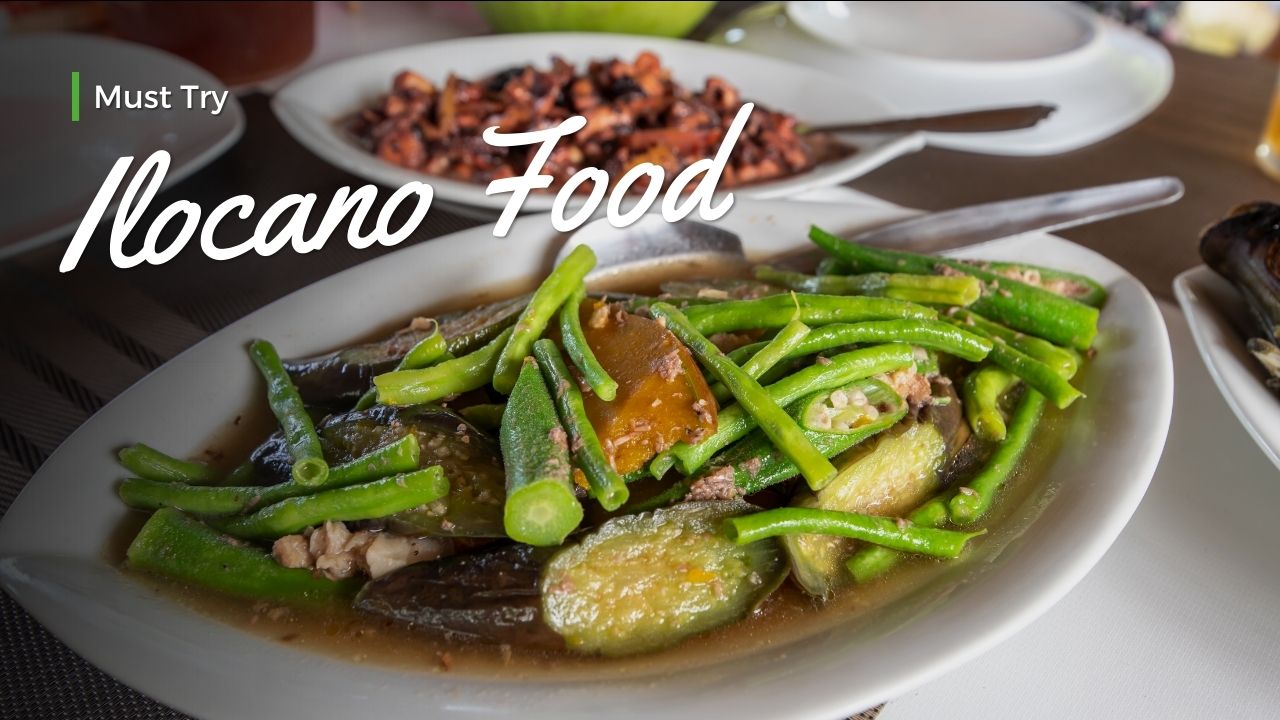
The Ilokano people have preserved this cooking method—fresh, simple, abundant in flavor, and healthy. This is why the dishes from the region have this certain charm in them, and these ten take the spotlight:
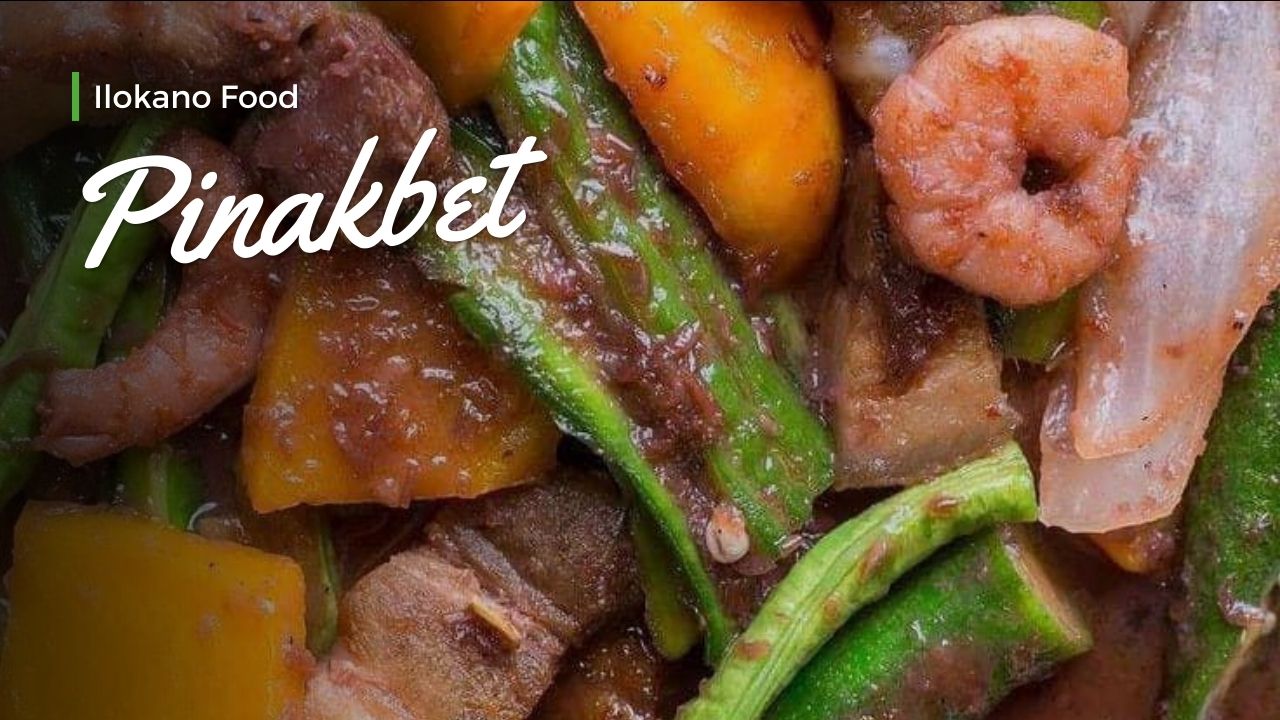
Pinakbet
Alternatively, called Pakbet by the locals, this vegetable dish is perhaps the embodiment of Ilokano cuisine. The average bowl of Pinakbet is created with almost any vegetable—if you know the lyrics to the folk song “Bahay Kubo,” you will have an idea of what these veggies are. The majority of those mentioned in the song are ingredients to Pinakbet.
Afterwards, they are boiled until cooked, seasoned with the region’s signature bagoong or fish sauce and pink shrimp paste. Others may add pork belly to this vegetable dish.

Dinengdeng
This dish is often interchanged with Pinakbet because of their similar cooking method and appearance. Both are vegetable soup dishes, and both use a variety of vegetables.
The difference between the two, however, is that while Pinakbet contains the more colorful “Bahay Kubo” veggies, Dinengdeng only tends to use green or yellow ones—malunggay leaves and fruits (the long pods), squash and squash blossoms, and alakon blossoms, to name a few. Tossing in grilled pieces of fish or other meat is also frequently done here.
Want to know another major difference? Dinengdeng uses only bagoong but does not use shrimp paste.

Tupig
Made from glutinous rice and coconut milk, Tupig can serve as a snack and a dessert. Rice soaked in water is mixed with coconut milk, and then a tiny amount of the mixture is wrapped in a strip of banana leaf-like Shanghai rolls.
Afterwards, these are cooked on a grill: a slightly charred and smoky taste of a sweet, coconut-ty, and sticky dessert. The small amount of serving will actually leave you craving for more. Sadly, this exotic taste cannot be replicated by what is served in restaurants.

Dinakdakan
Ilokanos are people who do not like the sight of leftovers. This is why they turn any present raw ingredient into something impressive. This also applies to Dinakdakan, a sisig-like dish that is made from not just grilled pieces of pork but grilled pieces of the oftentimes discarded parts: pig face, ears, liver, tongue, and, yes, brain.
Afterwards, these smoky pieces are tossed into a mixture of calamansi, red onions, and sometimes ginger and red chili peppers. The mashed brain is used to add texture and cream to the dish. Modern takes on this dish use mayonnaise as an alternative to the brain.

Pinapaitan
“Pait” is a Filipino word that means “bitter,” and “pinapaitan” roughly translates to “make bitter.” This name actually sums up the taste of this dish. Made with very thin strips of tender beef, ox tripe, small intestines, heart, bile, and large green chilies, Dinakdakan will take you on a roller coaster of flavors.
The bitterness can be toned down by squeezing some calamansi into the dish and by, surprisingly, eating it while it’s very hot. Even those who are not bitter by heart can thoroughly enjoy this dish.

Sinanglaw
Most Ilokano dishes use many discarded parts of meat, like innards. The hardworking and thrifty mentality of the Ilokanos are just some of the reasons they enjoy transforming any leftover into a delicacy. Sinanglaw is another example of this. Sinanglaw is like Pinapaitan, but this time, it does not taste bitter.
Although bile and ox tripe are used in this dish, the former is diluted, and a larger helping of beef tendons and beef brisket are used. After cooking the meat in low heat for several hours, the resulting flavorful soup is seasoned with ginger, sour tamarind, and finger chilies.

Empanada
Most parts of the Ilocos Region have been heavily influenced by Spanish colonizers. One proof of this is the presence of Empanada in the local cuisine. Although it is Spanish in origin, the Ilokanos gave this fried dough snack a twist that is exclusively their own.
Unlike its European variants, Ilokano Empanada uses sweetened dough, is flaky, and contains ground pork, diced potato, carrot, and peas.
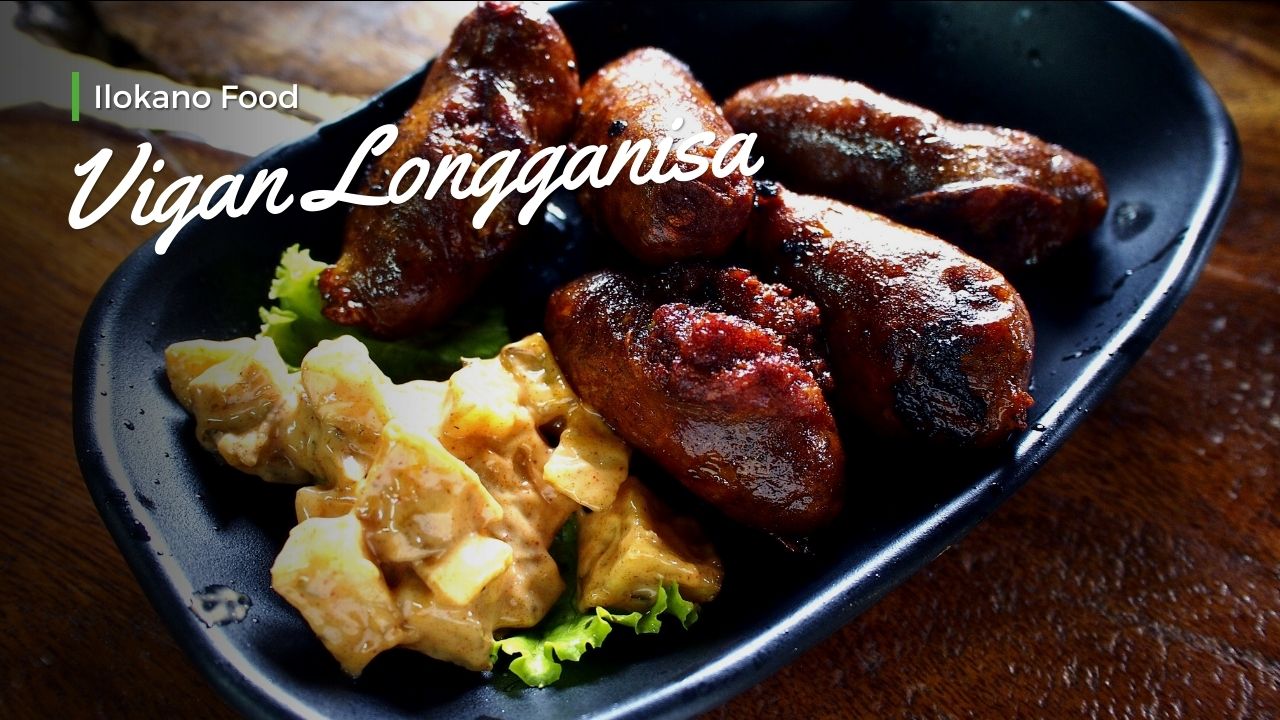
Vigan Longganisa
Vigan Longganisa is Ilocos Region’s uniquely salty and spicy sausage delicacy. While other regions produce sweet sausages, the locals use various marinades, such as Sukang Iloko, that give Vigan Longganisa that distinct tang.
Garlic is also abundantly used in creating this, and the resulting flavor makes Vigan Longganisa unique. Some parts of the region use thoroughly cleaned pork intestines as an alternative sausage case.

Igado
Made from pork tenderloin and innards, Igado is a popular Ilokano dish that makes you want to eat more rice. This dish has its bitter notes, but the sweet-and-sour taste of the pork tenderloin, soaked in Sukang Iloko, soy sauce, and pepper, evens this out.
Although the dish has no broth, it has a rich and thick texture, further enhanced by the crispiness of red bell peppers and green peas.
Insarabasab
Another must-try grilled Ilokano delicacy is Insarabasab, the region’s version of Sisig. Like some of the dishes in this list, what makes Insarabasab different is Sukang Iloko. Pork belly or shoulder pieces are marinated overnight with Sukang Iloko, calamansi, and garlic. Afterwards, they are cooked in an “Insarabasab” way—“something burned in the fire.”
This is also another distinguishing factor of this dish. The meat pieces can sear a little to give a smoky flavor. The grilled pork is then mixed with raw red onions and red chilies.
Want more stories like this? Follow us on Facebook and Twitter.
Read: 8 Street Foods To Try In Taiwan