Markus Castro
Has China Declared a State of Emergency Due to Virus Outbreaks? Understanding the Latest Situation
Table of Contents
China is currently facing a rising number of respiratory virus outbreaks, sparking discussions about whether a state of emergency has been declared. As of now, there is no official confirmation from Chinese health authorities or the World Health Organization regarding a state of emergency due to these virus outbreaks. Reports on social media have fueled speculation, but these claims lack reliable verification.
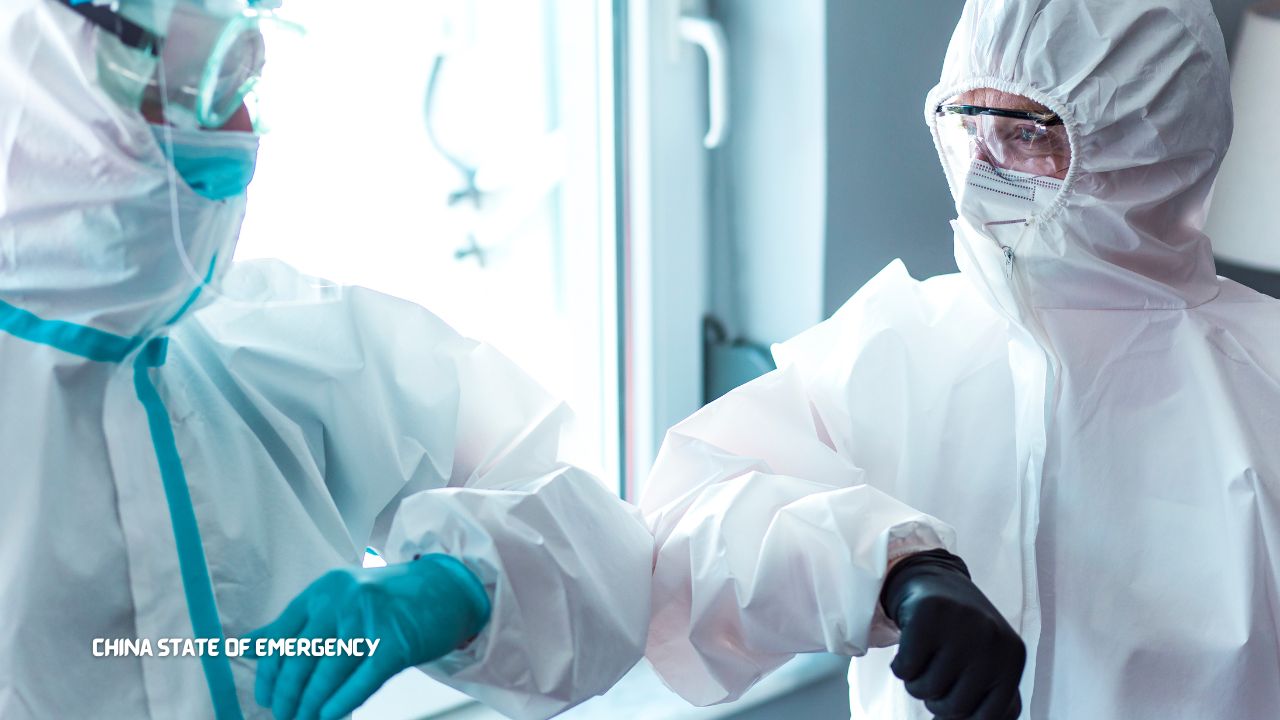
The surge in viral cases has brought attention to several viruses, including Influenza A and Human Metapneumovirus. Locals and international observers are closely monitoring the situation as hospitals deal with increased patient numbers. The ongoing situation raises concerns about public health measures and the government’s response.
With mixed messages regarding the severity of the outbreaks, it is crucial to stay informed. Readers will benefit from understanding the latest updates and expert opinions about the public health landscape in China.
Current Status of Virus Outbreak in China
Numerous reports on X.com indicate that China is currently grappling with a significant outbreak of various respiratory viruses. This alarming situation involves multiple infectious diseases, particularly pneumonia, which has overwhelmed the nation’s healthcare system. Hospitals are experiencing heightened pressure as they manage the influx of patients suffering from these illnesses, highlighting the urgent need for medical resources and attention.
Analysis of the Outbreak
The outbreak involves several pathogens, such as Influenza A, Human Metapneumovirus (HMPV), and Mycoplasma pneumoniae. These respiratory viruses are spreading rapidly across the country. Hospitals have reported a high influx of patients showing symptoms related to these infections.
According to reports, the state of emergency was declared in response to rising cases. Medical facilities are experiencing overcrowding. This situation has led to concerns about the ability to manage both existing health issues and the new wave of infections.
Officials are monitoring these trends closely. They aim to implement measures to curb the spread, ensuring public health and safety. Efforts include increasing testing and vaccination rates against the more dangerous viruses, like COVID-19.
International Response and Critiques
The international reaction to China’s handling of virus outbreaks has sparked various critiques and support. Key areas of focus include the stance of the World Health Organization and the activity of global cooperation efforts.
World Health Organization’s Stance
The World Health Organization (WHO) has been closely monitoring China’s response to virus outbreaks. While the WHO initially praised China’s swift actions during the start of the pandemic, concerns about transparency have surfaced.
Many health experts urge that lack of timely information can hinder global preparedness. The organization declared a Public Health Emergency of International Concern (PHEIC) early in the pandemic. However, critics argue that communication with China has not always been clear, impacting the international response.
Global Cooperation and Support
Global cooperation has been evident as countries assess COVID-19’s impact in China. Nations have offered resources and medical supplies to support China’s efforts against virus outbreaks. Collaborative research among countries aims to share data and enhance vaccine development.
Nonetheless, challenges persist. Some governments express concern over China’s transparency and credibility. Cooperation hinges on mutual trust and the open exchange of information, which remains a critical priority for the global health community.
Follow us on Facebook and Twitter.
Read: Daughter of a Chinese Tourist Poop on a Public Place in SM Mall of Asia