Markus Castro
Alingatong Tea (Stinging Nettle): Benefits, Uses, Side Effects & How to Prepare
Table of Contents
Alingatong tea, also known as stinging nettle tea, is an herbal infusion made from the roots or sometimes leaves of Urtica dioica. In the Philippines, halamang alingatong has long been used in traditional medicine for its healing properties.
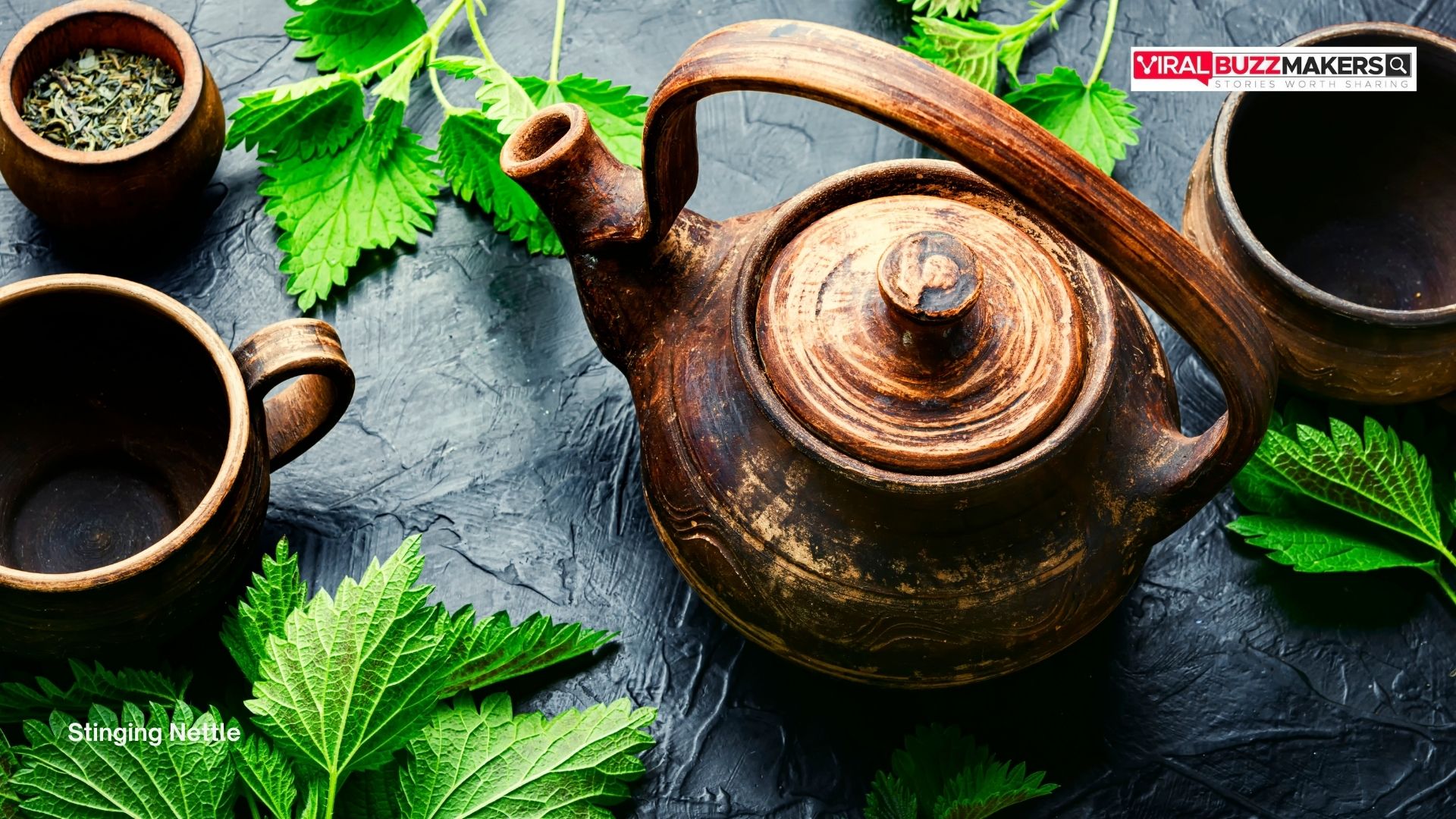
Although fresh nettle leaves can sting when touched, they become safe and beneficial once dried or boiled. This herbal tea is valued for its rich nutrient content and natural health-supporting compounds. In the Philippines, roots are preferred for tea preparation over leaves.
Stinging Nettle Tea Benefits
1. Rich in Vitamins and Minerals
One of the most recognized nettle leaf tea benefits is its high nutritional value. It contains essential vitamins and minerals such as vitamin A, vitamin C, vitamin K, iron, and calcium. These nutrients help support bone strength, improve energy levels, and enhance overall health.
2. Natural Anti-Inflammatory Remedy
Many people drink nettle tea for inflammation due to its natural compounds that may help reduce swelling and pain. It is commonly used to help manage joint discomfort, muscle soreness, and arthritis symptoms. These properties make it a popular option for medicinal uses of stinging nettle.
3. Supports Detox and Kidney Health
Stinging nettle tea is used as a mild diuretic. Drinking nettle tea for detox may help flush out toxins, support kidney function, and promote a healthy urinary system.
4. Helps Regulate Blood Sugar
Research suggests that nettle tea for blood sugar may help maintain healthy glucose levels. This may benefit individuals with Type 2 Diabetes, although it should not replace prescribed treatments.
5. Strengthens the Immune System
Using stinging nettle tea for immune system support is beneficial due to its antioxidant content. These compounds help protect the body from oxidative stress and may reduce the risk of infections.
6. Improves Skin Health
Stinging nettle tea for skin is often used to help manage acne, eczema, and other skin conditions. Its anti-inflammatory and detoxifying effects may promote clearer and healthier skin.
7. Supports Prostate Health
Stinging nettle tea for prostate health is commonly used by men to support urinary function and help reduce symptoms associated with prostate enlargement.
How to Make Red Alingatong Tea
Making tea from red alingatong (nettle) roots is a traditional herbal practice in some regions of the Philippines. The plant commonly referred to as alingatong is related to stinging nettle, known for its medicinal properties.
1. Identify and Prepare the Roots
- Make sure you’re harvesting the correct plant (alingatong has stinging hairs on leaves and stems).
- Use gloves to avoid irritation.
- Uproot carefully and select healthy, reddish roots.
- Wash thoroughly to remove soil and debris.
2. Slice and Dry (Optional but Recommended)
- Cut roots into thin slices for better extraction.
- You can:
- Use them fresh, or
- Air-dry / sun-dry for longer storage (1–3 days until fully dry).
3. Boil the Tea (Decoction Method)
- Add about 1–2 teaspoons (or a small handful) of roots to 2–3 cups of water.
- Bring to a boil, then simmer for 15–20 minutes.
- This method (decoction) is ideal for tougher plant parts, such as roots.
4. Strain and Serve
- Strain out the roots.
- Drink warm.
- Optional: add honey or calamansi for taste.
Important Safety Notes
- Start with small amounts to see how your body reacts.
- Avoid if:
- Pregnant or breastfeeding
- Taking blood pressure or diuretic medications
- Consult a healthcare professional for regular use.
Common Traditional Uses
Alingatong root tea is sometimes used for:
- Supporting urinary health
- Reducing inflammation
- General detox support
You may add honey or lemon to enhance the taste.
Stinging Nettle Tea Side Effects
While there are many benefits of drinking nettle tea daily, it is important to be aware of potential risks.
1. Allergic Reactions
Some individuals may experience mild reactions such as skin irritation or stomach discomfort.
2. Medication Interactions
If you are wondering if stinging nettle tea is safe, the answer depends on your health condition. It may interact with medications for blood pressure, blood thinning, or diabetes.
3. Not Recommended During Pregnancy
Alingatong herbal tea may stimulate uterine contractions and should be avoided by pregnant women.
4. Digestive Issues
Drinking excessive amounts may cause nausea or diarrhea. Following proper stinging nettle tea dosage is important.
Alingatong Tea in the Philippines
Interest in alingatong plant benefits the Philippines continues to grow as more people explore traditional herbal medicine. Common related searches include halamang alingatong benefits, alingatong herbal medicine uses, and the availability of nettle tea in the Philippines.
Frequently Asked Questions (FAQ)
Is stinging nettle tea safe for daily use?
Yes, it is generally safe when consumed in moderation. However, consult a healthcare professional if you have existing conditions or take medications.
How often should I drink nettle tea?
A typical stinging nettle tea dosage is 1–2 cups per day.
Can nettle tea help with arthritis?
Yes, nettle tea for arthritis is commonly used due to its anti-inflammatory properties.
Where can I find alingatong in the Philippines?
It can be found in rural areas, herbal stores, and local markets that sell dried medicinal plants.
Conclusion
Stinging nettle tea benefits make it a valuable herbal remedy for supporting overall health. From reducing inflammation to aiding detox and boosting immunity, alingatong tea offers a natural and accessible option.
However, understanding the side effects of stinging nettle tea and proper usage is essential to ensure safe and effective consumption.
Follow us on Facebook and Twitter.
Read: How Fish and Omega-3s Can Lower Your Cholesterol Naturally