

 Markus Castro
Melchora Aquino: The Grand Old Lady of the Philippine Revolution
Table of Contents
Melchora Aquino, also known as Tandang Sora, was a Filipino revolutionary who played a significant role in the Philippine Revolution. She was born on January 6, 1812, in Banlat, Caloocan, Rizal, which is now part of Quezon City. Despite not having the opportunity to study formally, Aquino was known for her kindness and generosity towards her fellow Filipinos.

During the Philippine Revolution, Aquino provided shelter, food, and medical aid to Filipino revolutionaries who were fighting for independence from Spanish colonial rule. Her home in Banlat, Caloocan, became a sanctuary for the revolutionaries, and she was affectionately called “Tandang Sora” or “Old Woman Sora” by the revolutionaries. Her contributions to the revolution earned her the title “Mother of the Philippine Revolution.”
Aquino’s dedication to the revolution was unwavering, even when she was arrested and imprisoned by the Spanish authorities at the age of 84. She was released after a year, but her health had deteriorated, and she died on February 19, 1919, in her home in Barangay Banlat. Today, Aquino is remembered as a hero and a symbol of courage and selflessness in the fight for Philippine independence.
Early Life and Family
Melchora Aquino was born on January 6, 1812, in Barrio Banlat, Caloocan, to Juan and Valentina Aquino, a peasant couple. She was the only daughter and had several brothers. Her parents were known for their hard work and diligence, and they instilled these values in their children.
Childhood and Education
Melchora Aquino grew up in a small village in Caloocan, where she spent most of her childhood helping her parents with their farm work. Despite not attending school, Melchora was literate and highly intelligent at an early age. She learned how to read and write from her mother and was an avid reader.
Marriage and Children
At the age of 20, Melchora Aquino married Fulgencio Ramos, a farmer from a nearby village. Together, they had six children. However, their happy life was cut short when Fulgencio died, leaving Melchora to raise their children on her own.
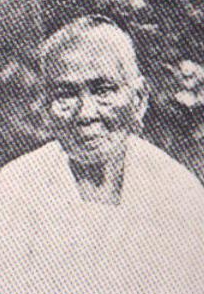
Despite the challenges she faced, Melchora remained strong and resilient. She continued to work hard to provide for her family and became known for her kindness and generosity. Her reputation as a good person spread throughout the community, and she became known as “Tandang Sora,” which means “old woman Sora.”
Role in the Philippine Revolution
Involvement with Katipunan
Melchora Aquino, also known as Tandang Sora, played a crucial role in the Philippine Revolution. She was born on January 6, 1812, in Banlat, Caloocan, which is now part of Quezon City. At the age of 84, when the Philippine Revolution broke out in 1896, Melchora Aquino became a supporter of the Katipunan. She provided food, such as rice and cattle, to the Katipuneros. She also nursed wounded Katipuneros who were injured in battle. Her house in Banlat, Caloocan, became a sanctuary for the revolutionaries.
Melchora Aquino was a widow and a mother of six children. She was known for her bravery and compassion for her fellow Filipinos. Her involvement with the Katipunan led to her arrest in 1896 by the Spanish authorities. She was imprisoned in Bilibid Prison in Manila but was later released due to her old age.
Support to Katipuneros
Melchora Aquino’s support to the Katipuneros was crucial to the success of the Philippine Revolution. Her contributions to the cause earned her the title “Mother of the Philippine Revolution.” She was also known as the “Grand Woman of the Revolution” and the “Mother of Balintawak.”
Balintawak was the site where the Katipunan, led by Andres Bonifacio, launched the Cry of Balintawak on August 26, 1896. This marked the beginning of the Philippine Revolution against Spanish colonial rule. Melchora Aquino’s support to the revolutionaries helped to supply them with the necessary resources to continue their fight for independence.
Melchora Aquino’s parents, Juan and Valentina Aquino, were also involved in the Philippine Revolution. Her father, Juan Aquino, was a cabeza de barangay and was responsible for collecting cedulas or taxes from the residents of Caloocan. He was a supporter of the Katipunan and helped to spread the revolutionary ideas in the area.
Melchora Aquino died on February 19, 1919, in Pasong Tamo at the age of 107. She is remembered as a hero of the Philippine Revolution and a symbol of the Filipino people’s struggle for independence.
Life in Exile and Later Years
Exile in Marianas
After being arrested and jailed by the Spanish colonial authorities, Melchora Aquino was deported to the Marianas Islands, where she lived in exile for six years. During her exile, she was held in the Bilibid Prison in Manila before being transported to the Marianas.
Despite her advanced age, Aquino continued to be a symbol of resistance and hope for the Filipino people during her time in exile. She remained committed to the cause of Philippine independence and continued to inspire others to fight for their freedom.
Return to Philippines and Final Years
Aquino returned to the Philippines in 1903 after being repatriated by the American colonial regime. She was offered a pension and monetary reward for her sacrifices, but she refused. Instead, she chose to live a simple life in Novaliches, where she continued to be a respected figure in the community.
In her later years, Aquino became a devout Catholic and spent much of her time praying and attending church services. She also became known for her acts of charity, often giving food and clothing to the poor.
Aquino passed away on March 2, 1919, at the age of 107. She was buried in the Manila North Cemetery, where her grave remains a popular destination for visitors and admirers. Her legacy as the “Mother of Balintawak” and the “Grand Woman of the Revolution” continues to inspire Filipinos to this day.
While Aquino’s life was marked by hardship and struggle, she remained steadfast in her commitment to the cause of Philippine independence. Her unwavering courage and determination made her a true hero and a symbol of hope for generations to come.
Legacy and Honors
Recognition in Philippine History
Melchora Aquino, also known as Tandang Sora, is regarded as a national hero in the Philippines for her contributions to the Philippine Revolution against Spanish colonial rule. She was known as the “Mother of Balintawak” and the “Grand Woman of the Revolution” for her bravery and leadership during the war.
Aquino’s legacy continues to inspire Filipinos to this day. She is often included in history books and taught in schools as an important figure in Philippine history. In 1993, the Philippine government declared January 6, her birthday, as a national holiday in her honor.
Monuments and Memorials
Numerous monuments and memorials have been erected in honor of Melchora Aquino. The Himlayang Pilipino Memorial Park in Quezon City features a mausoleum dedicated to her and other veterans of the revolution. The mausoleum is located in Barrio Banlat, the same barangay where Aquino lived and where she was arrested by the Spaniards.
The Philippine government also honored Aquino by featuring her image on the Philippine peso banknote. She was included in the English series of the banknotes, which were in circulation from 1985 to 1993.
In addition to the memorials and banknote, Aquino’s name has also been used to name various streets, barangays, and even a naval vessel. The BRP Melchora Aquino, a patrol ship of the Philippine Navy, was named in her honor. Aquino is also celebrated annually during the Santacruzan, a religious procession that honors the finding of the Holy Cross by Queen Helena, mother of Emperor Constantine.
Overall, Melchora Aquino’s contributions to the Philippine Revolution and her legacy as a brave and inspiring Filipina have been recognized and honored in various ways throughout Philippine history.
Frequently Asked Questions
What is the contribution of Melchora Aquino?
Melchora Aquino, also known as Tandang Sora, was a Filipino revolutionary who played a significant role in the Philippine Revolution of 1896. She provided aid and shelter to the Katipuneros, the revolutionaries fighting against Spanish colonial rule. She was also a nurse who tended to the wounded soldiers, and her home became a refuge for the revolutionaries.
What is Tandang Sora known for?
Tandang Sora is known for her contributions to the Philippine Revolution. She was called the “Mother of Balintawak” because of her role in the uprising against the Spanish colonizers. She was also known as the “Grand Woman of the Revolution” because of her courage and bravery.
Where did Melchora Aquino die?
Melchora Aquino died on February 19, 1919, at the age of 107. She died at her home in Banlat, Caloocan, where she had spent her final years.
Where was Melchora Aquino deported?
Melchora Aquino was deported to Guam by the American colonial government in 1901, along with other revolutionaries. She was accused of supporting the Philippine Revolution against the Americans, who had taken over after the Spanish colonial rule ended.
What is the family tree of Melchora Aquino?
Melchora Aquino was born to a wealthy farmer couple in Caloocan, Rizal, on January 6, 1812. She married Fulgencio Ramos, a farmer, and they had six children. Her descendants continue to honor her memory and legacy.
What is the significance of Melchora Aquino as a hero?
Melchora Aquino is considered a hero in the Philippines for her contributions to the country’s struggle for independence. She is a symbol of courage, bravery, and selflessness, and her legacy continues to inspire generations of Filipinos. She is also a reminder of the important role that women played in the Philippine Revolution.
Follow us on Facebook and Twitter.
Read: Manny Pacquiao named Greatest Boxer of the 21st Century, Mayweather ranked 2nd


